

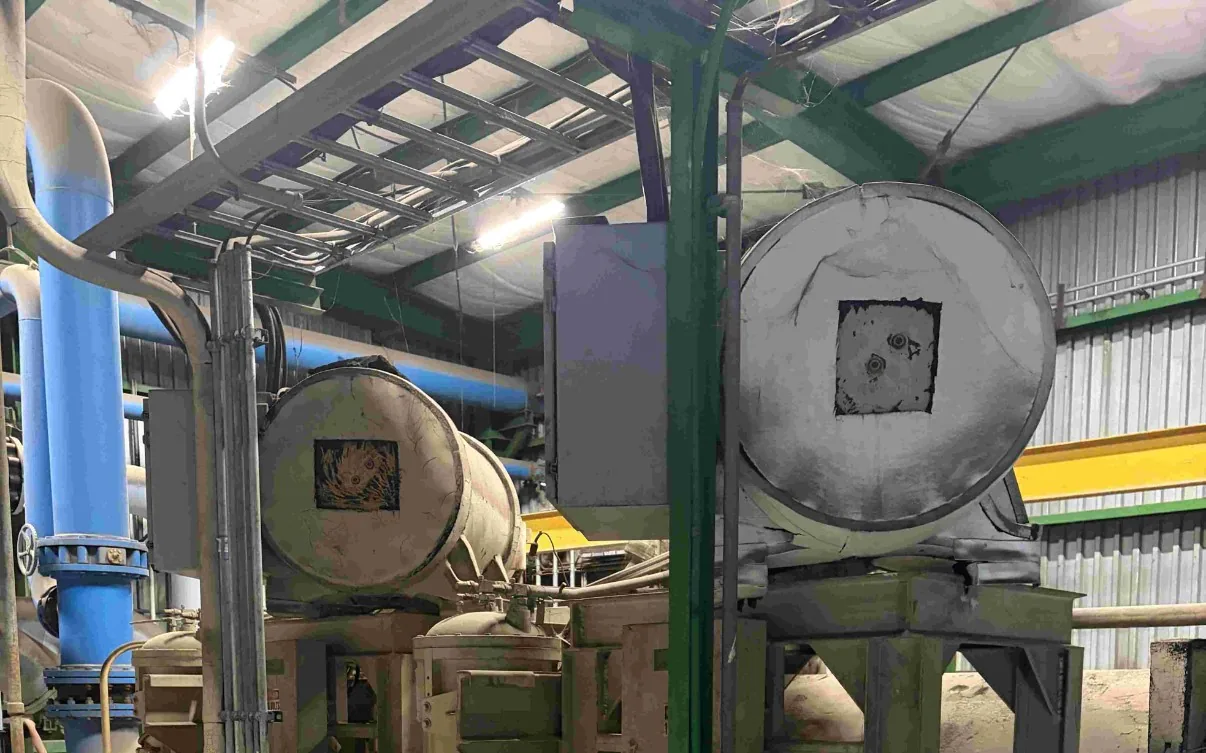
If a Smardt chiller is scheduled for replacement or already shut down in Fairmont, WV, a sale can start with current photos and the information you have. We buy commercial and industrial air-cooled and water-cooled chillers from 20 tons to 2,000-plus tons. Our process offers upfront payment and a cash offer without requiring testing. This page covers equipment identification, facility access and the removal work we handle.
Identify the Smardt chiller
A Smardt chiller should be identified by the complete model and serial information on the equipment, with photographs showing the chiller and its controls. If a building has several modules or separate units, specify which pieces belong to the proposed sale. Include the stated capacity and refrigerant if they appear on a readable plate or in reliable records.
Controls, compressors and electrical components may have been changed over time. Share any known changes and the current condition rather than assuming a model name describes every component. We can review equipment that has been shut down and do not ask the seller to run a performance test before requesting a cash offer.
Consider the needs of a warehouse or distribution facility
At a warehouse or distribution facility, coordinate around loading traffic, delivery appointments and any temperature-sensitive spaces that remain in operation. Identify the chiller rather than assuming that every piece of refrigeration equipment is included. Photos should show the unit and a safe view of the surrounding route. Let the site contact explain any required separation from ongoing vehicle or pedestrian activity.
Document a partially dismantled unit
If the chiller was partly dismantled before you contacted us, describe what remains and where the removed parts are located. Send current pictures of both the machine and any components included in the sale. You do not need to reassemble the equipment for review. The important point is to distinguish the actual available items from parts that are missing or staying at the property.
Checking the loading area
A truck-accessible loading area is useful information even when the chiller itself is indoors. Note dock height, gate width if known, vehicle restrictions and whether another tenant controls the approach. These are planning questions, not a request for the seller to arrange transport. We cover loading and freight and coordinate the practical route with the site contact after reviewing the equipment.
Preparing without extra work
There is no need to clean, repair or restart a chiller just to begin a conversation. Gather existing pictures and the information you can safely read, then describe the location and condition. Tell us about known deadlines and the person responsible for access. We can review the machine without operational testing and coordinate the covered removal services as part of the transaction.
Coordinate ownership and access separately
Ownership and physical access may be controlled by different people. A landlord, tenant, contractor or project manager may know the equipment without being authorized to sell it. Confirm the owner and the person who can approve a transfer; also identify whoever can provide safe access to the unit. If an internal approval is pending, mention the expected process rather than treating a tentative decision as final.
From connection points to freight
We cover the disconnects, refrigerant recovery, rigging, crane work when needed, loading and freight for the purchased chiller. If the machine is connected to a shared system, identify the equipment that stays and explain any operating restrictions. The crew can plan around the real installation; the seller does not need to take apart piping or electrical connections to request an offer.
What to send for a cash offer
A nameplate photo, a view of the entire unit and a description of its present condition are a good start. Text them to (614) 715-3047 along with the city or county and a contact name. We buy chillers, provide upfront payment for a purchase and do not require operational testing. If you have more than one machine, label each photo set separately.
Bring existing information, not a test
A manufacturer plate, existing service record or clear photograph can answer many initial questions. You do not need to commission a report or start the chiller to establish an operating history. Send what you have, label estimates and explain missing information. Once the equipment and access are understood, the offer and covered removal can be coordinated with the appropriate owner and site contact.