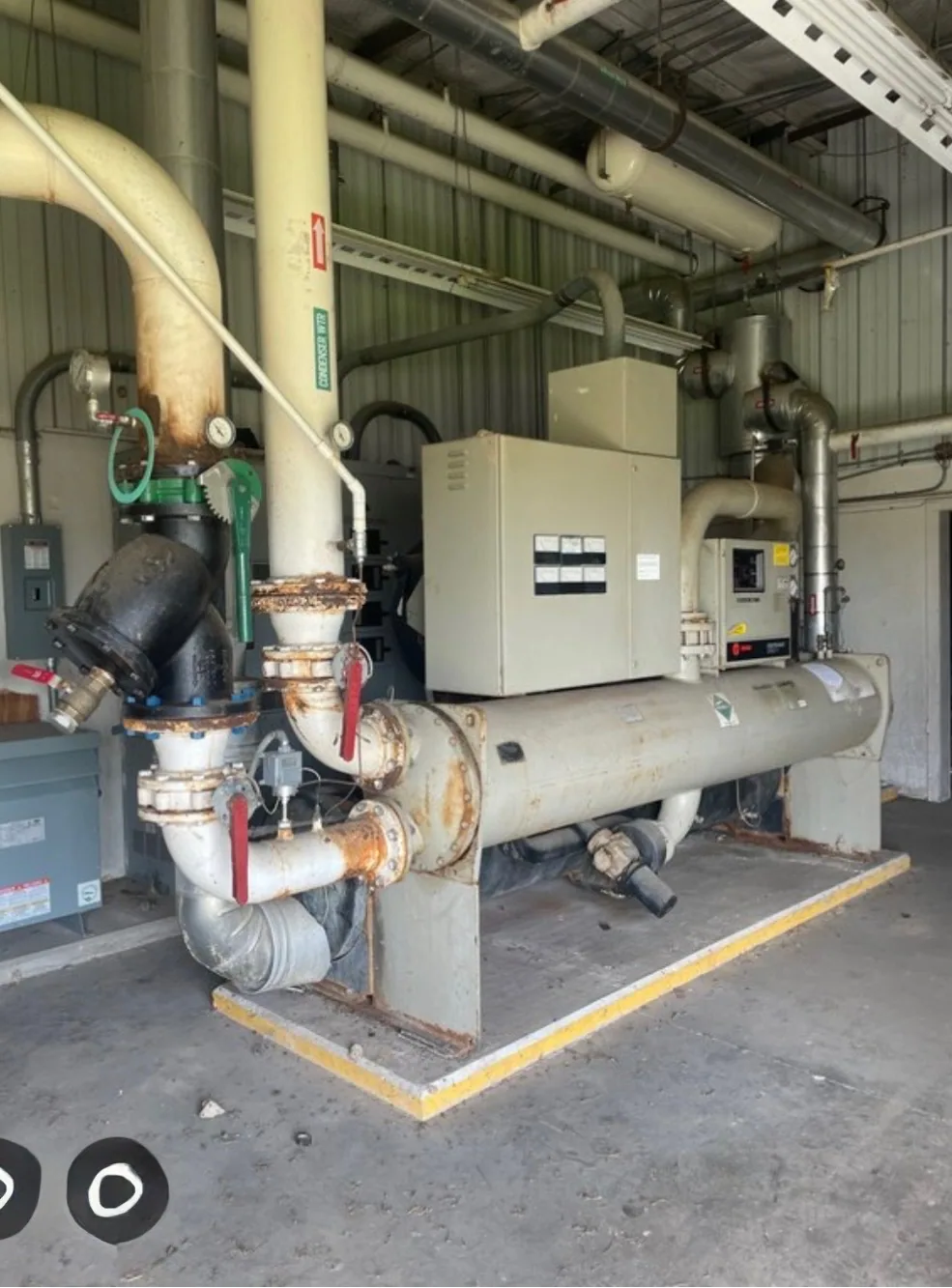
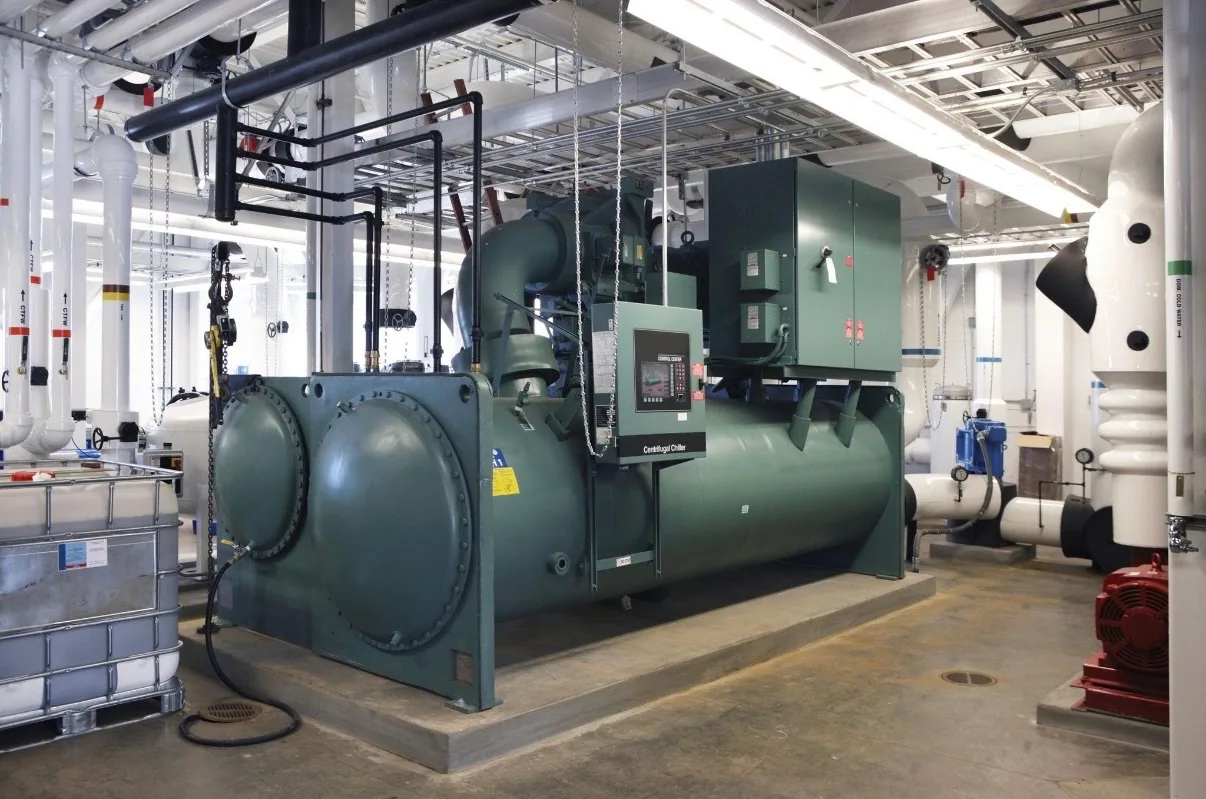
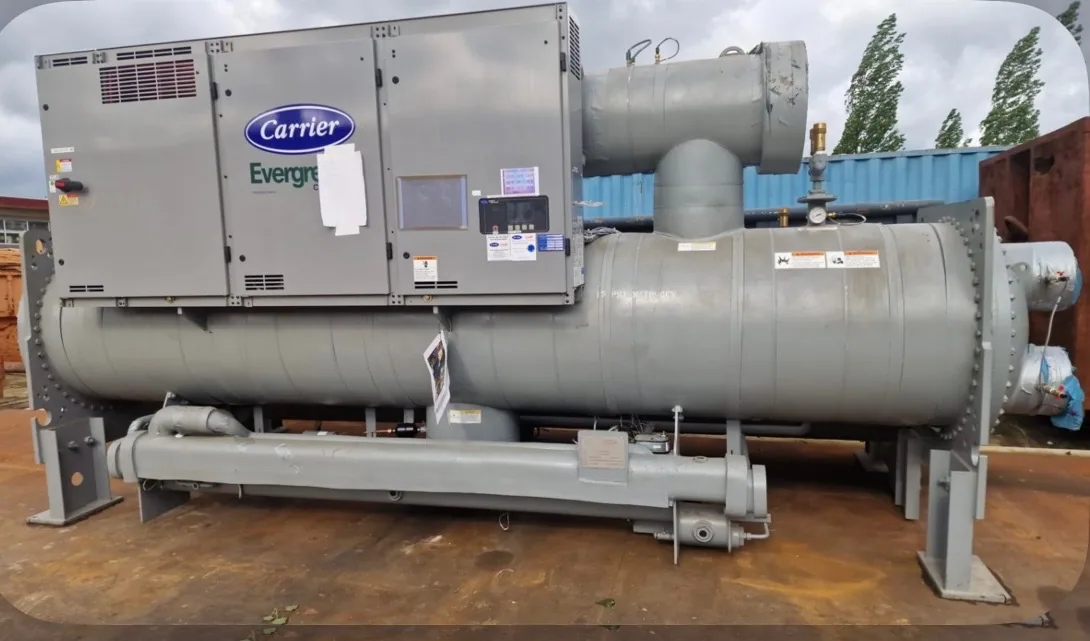
Finding a buyer for a Smardt chiller in Parkersburg, WV should not require restarting the machine just to demonstrate it. We buy industrial and commercial chillers from 20 tons to 2,000-plus tons, including air-cooled and water-cooled units. We make cash offers, provide upfront payment and do not require testing. A few current photographs and an honest description of the equipment and site are a useful place to begin.
Identify the Smardt chiller
A Smardt chiller should be identified by the complete model and serial information on the equipment, with photographs showing the chiller and its controls. If a building has several modules or separate units, specify which pieces belong to the proposed sale. Include the stated capacity and refrigerant if they appear on a readable plate or in reliable records.
Controls, compressors and electrical components may have been changed over time. Share any known changes and the current condition rather than assuming a model name describes every component. We can review equipment that has been shut down and do not ask the seller to run a performance test before requesting a cash offer.
Consider the needs of a manufacturing facility
At a manufacturing site, a chiller may have served either the building or a production process. Tell us what it cooled if known, but do not assume that its prior duty establishes its current condition. A production calendar, restricted loading area or clearance around adjacent lines can shape the removal schedule. Mark any equipment that must stay in place and identify the person coordinating site access.
When the plate is hard to read
A faded or inaccessible plate should not lead you to make up a model or capacity. Provide a safe photo of what is visible, plus any drawing, invoice or maintenance record you already have. Tell us which details are estimates. Another person familiar with the plant may be able to identify the machine, but no one should enter a hazardous area merely to gather information.
Working from a mechanical room
An interior plant room calls for a look at more than the equipment footprint. Describe doors, corridor turns and changes in floor level between the chiller and the outside, if known. Indicate whether nearby equipment must stay in service. Existing drawings and a few safe photographs can help the removal team plan; you do not need to cut a path or dismantle the machine before asking for an offer.
If the chiller is already retired
A unit that has been off for months or years can still be submitted. Tell us when it was last known to operate if that information exists, but do not start it merely for a sale. Describe what is connected, what has been removed and whether the site is accessible. A practical account of the present condition matters more than an unsupported performance claim.
Coordinate ownership and access separately
Ownership and physical access may be controlled by different people. A landlord, tenant, contractor or project manager may know the equipment without being authorized to sell it. Confirm the owner and the person who can approve a transfer; also identify whoever can provide safe access to the unit. If an internal approval is pending, mention the expected process rather than treating a tentative decision as final.
A practical removal discussion
An offer discussion can include the equipment's current location and how a crew could reach it. We cover rigging, crane service when needed, disconnects, refrigerant recovery, loading and freight. Let us know about occupied spaces, gates, plant-room doors or roof access, as applicable. The actual plan will depend on the unit and site, not an assumed standard procedure.
How the cash offer works
Text current photos and the machine's basic details to (614) 715-3047. We buy chillers; we do not sell replacement equipment. We review the information and can make a cash offer, with upfront payment for a purchase. No operational testing is required. If the model, capacity or condition is uncertain, tell us rather than delaying the conversation or guessing.
Be clear about the equipment history
If you know the chiller was modified, damaged or taken out of service, say so and provide the available records. Unknown is an acceptable answer when a prior owner or contractor handled the work. Avoid assuming that a recent repair applies to every component in a multi-unit plant. The buyer can review what is documented without asking for a new operating test.