If you need to sell a McQuay chiller in Fairmont, WV, start with the equipment you actually have, not an assumed market value or a test run. We buy commercial and industrial chillers from 20 tons to 2,000-plus tons, including air-cooled and water-cooled units. Our buying process includes cash offers and upfront payment, and a test is not required. The guidance below explains how to identify the machine and prepare for removal.
Identify the McQuay chiller
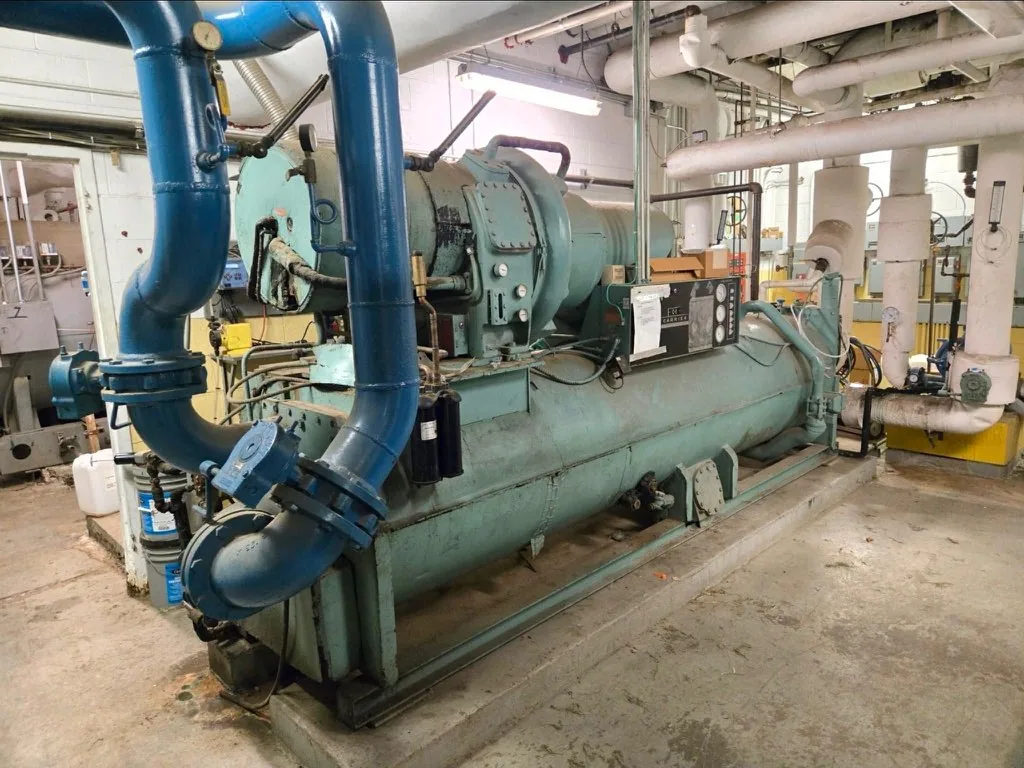
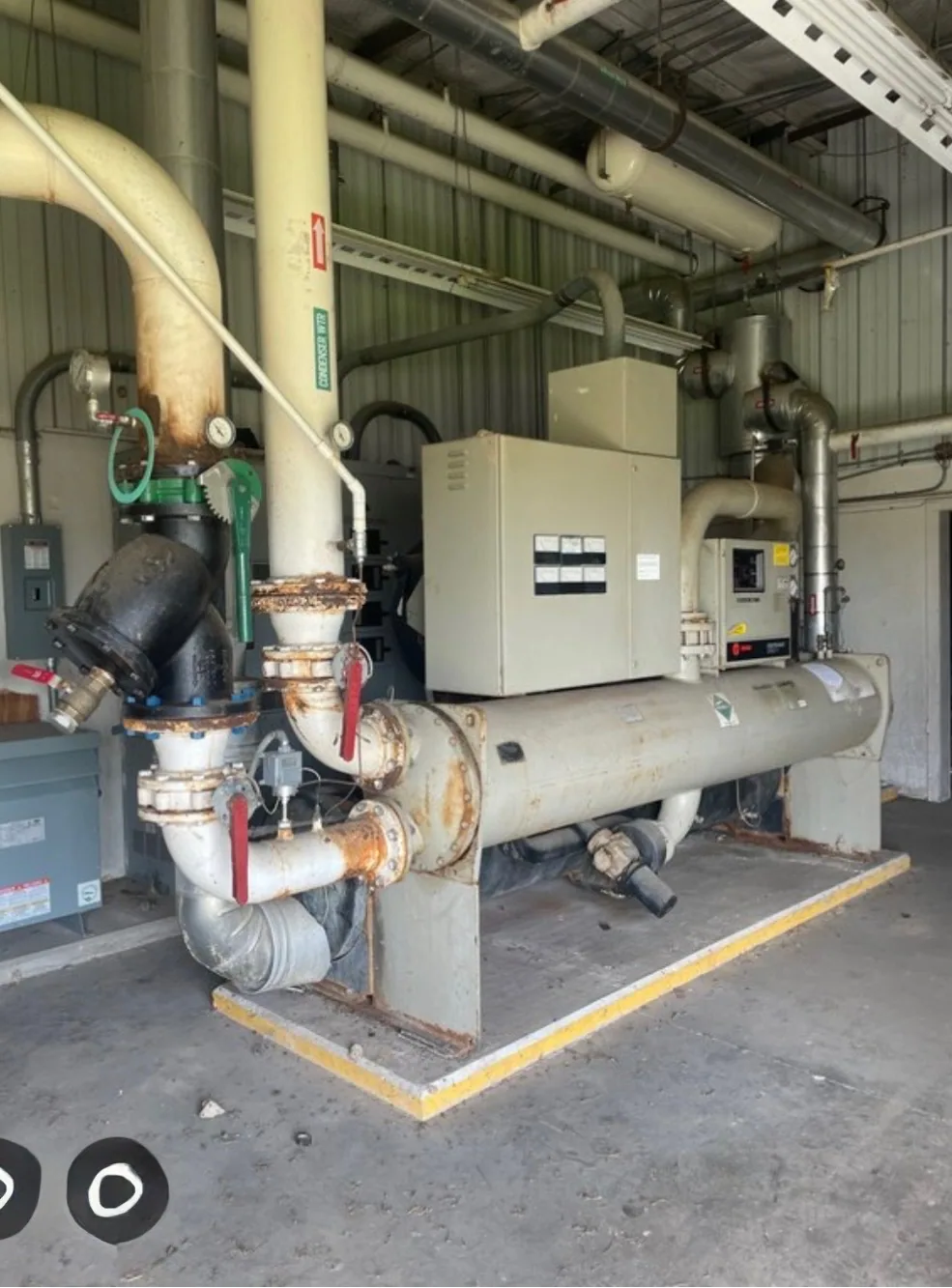
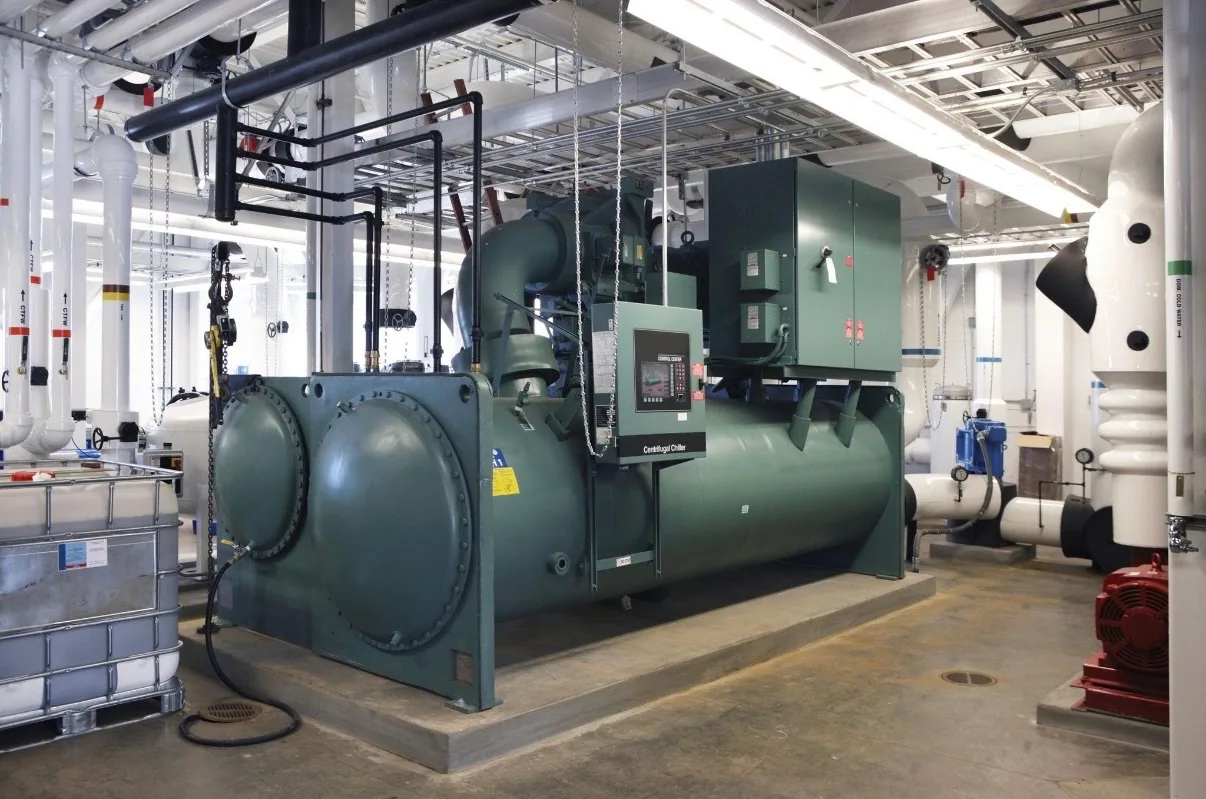
For a McQuay chiller, photograph the machine's own identification rather than relying on an old building schedule. Nameplates, the overall frame and compressor or shell pictures help show which equipment is being offered. When a later replacement part or service record uses a different name, send both pieces of information so the actual configuration can be reviewed.
The age of a chiller or a long period out of service does not prevent you from asking for an offer. Explain whether the unit is complete, what has been removed and whether it remains connected. We can begin with pictures and existing records, without asking you to start the equipment or conduct a test.
Consider the needs of an office building
At an occupied office building, decide which chiller is included and whether an active tenant, parking area or loading dock affects access. The facilities team can flag building rules and the best contact for coordinating work. A photograph of the machine and its plate is more valuable than trying to estimate how much office space it once cooled. An operational demonstration is not needed.
When the plate is hard to read
A faded or inaccessible plate should not lead you to make up a model or capacity. Provide a safe photo of what is visible, plus any drawing, invoice or maintenance record you already have. Tell us which details are estimates. Another person familiar with the plant may be able to identify the machine, but no one should enter a hazardous area merely to gather information.
Access through a shared building
When an exit route passes through common space, identify who controls that space and whether there are access hours or tenant restrictions. Elevators, corridors and doors can be relevant, but their suitability cannot be determined without the actual dimensions and site review. Do not promise a route based on an old drawing alone. A current photo and the right building contact are a good beginning.
Coordinating multiple chillers
A site with several chillers may want to retire them together or in stages. Identify each machine, its condition and the order in which it becomes available. Explain whether access to one unit is blocked by another and whether anything must remain in operation. Separate equipment information from schedule preferences so the sale and removal scope can be understood clearly.
Coordinate ownership and access separately
Ownership and physical access may be controlled by different people. A landlord, tenant, contractor or project manager may know the equipment without being authorized to sell it. Confirm the owner and the person who can approve a transfer; also identify whoever can provide safe access to the unit. If an internal approval is pending, mention the expected process rather than treating a tentative decision as final.
Removal without arranging separate crews
Our purchase includes covered rigging, crane service when needed, disconnects, refrigerant recovery, loading and freight. A roof installation, a crowded mechanical room and a ground-level yard may each need a different sequence. Describe the actual setting and any known facility rules. The point is to coordinate the whole removal around the equipment rather than ask the seller to organize those services independently.
From first photos to an offer
Show the equipment as it is and send the pictures to (614) 715-3047. Add the model, rated tons and refrigerant if known, plus a short note about access. We are a chiller buyer and make cash offers with upfront payment. We do not require operational testing and do not sell replacement chillers. An accurate description helps keep the transaction focused.
Review the site constraints
Before removal, share the site rules that apply to work hours, access, traffic and protection of nearby equipment. If the route crosses another tenant's space, identify who can approve it. The precise plan depends on the machine and the facility. Accurate information early in the discussion is more helpful than promising a clear route that has not been checked.