
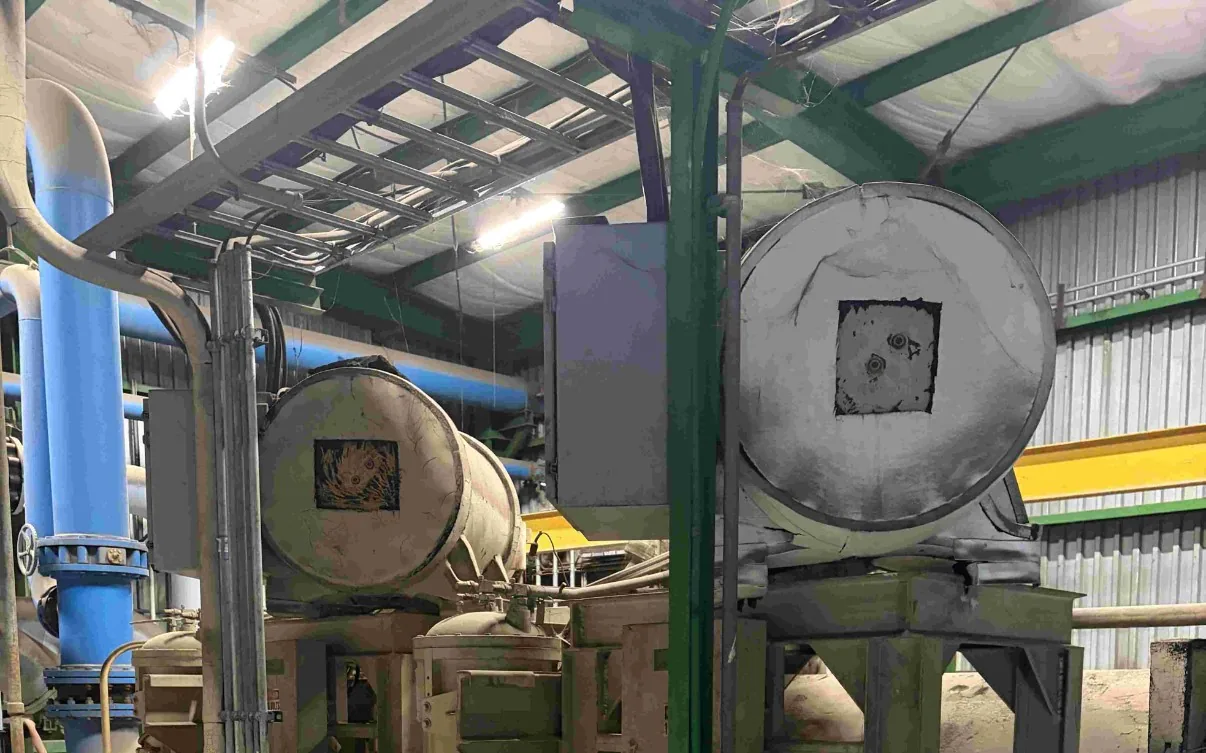

Selling a 20–49-ton chiller in Charleston, WV begins with a clear description of the unit and the place where it sits. We purchase industrial and commercial chillers from 20 tons to 2,000-plus tons, both air-cooled and water-cooled. You can request a cash offer without testing, and purchases include upfront payment. Use the guidance below to gather existing details and think through the site requirements before the equipment leaves.
Identify your 20–49-ton chiller
At the smaller end of our buying range, the equipment may fit through openings that would stop a larger assembly, but measurements still matter. Share the nameplate capacity, overall dimensions if known and the location of the chiller. Indicate whether the stated tonnage describes one unit or a combined group; a 20-ton machine is within our stated range.
Photographs of the complete unit and its plates are more useful than estimating capacity from its size. If several machines are being retired, list them separately so the quantity and total scope are clear. Tell us whether each is connected or already isolated. We can consider the equipment without an operational test.
Consider the needs of a mixed-use property
In a mixed-use building, the chiller owner and the parties affected by a removal are not always the same. Clarify who can approve the sale and who can coordinate access to shared areas. Point out tenant, parking or loading constraints without assuming they prevent a transaction. The seller can request an offer with existing photos and records; restarting the machine is not necessary.
Clarify equipment ownership
Before a sale is finalized, confirm who owns the chiller and who is authorized to transfer it. The building owner, tenant, property manager and maintenance contractor may have different roles. If the equipment is part of a larger replacement project, specify what is included and who controls access. Clear ownership and a named site contact prevent delays without requiring the machine to be tested.
Considering a tight equipment yard
An outdoor equipment yard may contain fences, piping, curbs or other units that limit access. Take a wide picture from a safe position and note any gates or sections that cannot be disturbed. Show where the chiller ends and neighboring equipment begins. A clear boundary helps the removal discussion without assuming the machine can simply be rolled onto a truck.
If replacement is already planned
When a replacement project is underway, identify when the old chiller will be available and whether the new equipment must remain in service during removal. Coordinate the seller's project contact with the person responsible for building access. Do not assume that a construction date automatically establishes a clear exit route. A proposed window and current site photos allow the removal conversation to start early.
Plan around a defined sale boundary
Before a removal crew arrives, agree on the particular chiller and any separate cabinets or detached parts included in the transaction. Note components connected to other equipment and anything the owner intends to keep. Photographs marked with simple labels can clarify that boundary. The actual sequence depends on site conditions, but a shared understanding of what is being purchased helps avoid unnecessary confusion.
Coordinating a safe handoff
Share any known restrictions around active equipment and access to the chiller. We cover disconnects, refrigerant recovery, rigging, crane service when needed, loading and freight for the purchased equipment. The people coordinating the work can use the information you provide to plan the appropriate sequence. You do not need to open cabinets, break connections or attempt a lift for an initial review.
Contact the buyer directly
For a cash offer, text photos and a description of your chiller to (614) 715-3047. We buy industrial chillers from 20 tons to 2,000-plus tons and provide upfront payment for a purchase. We do not ask for an operational test and do not sell chillers. Mention the equipment's location, condition and any known removal constraints in your first message.
Agree on the timing
Tell us about an intended shutdown, a property handover or a date when access changes. If the timetable is tentative, describe it as tentative. A site contact can then coordinate the removal around the actual decision and operating schedule. Before work begins, make sure the equipment included and any nearby systems that remain in place are understood by the relevant parties.