
A chiller sale in Randolph County, WV starts with a clear picture of the equipment. If you own a water-cooled chiller, tell us its location, rated capacity if known and present condition. We buy commercial and industrial air-cooled and water-cooled chillers from 20 tons to 2,000-plus tons. Cash offers and upfront payment are part of our process, and we do not require testing. The following details help the owner and site team prepare.
Describe your water-cooled chiller
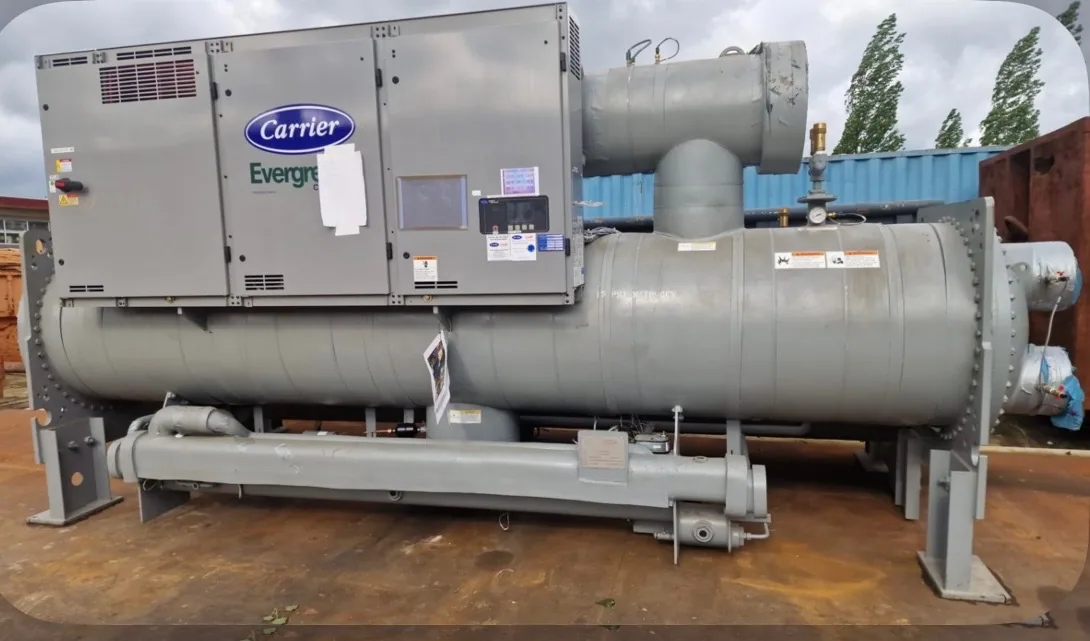
A water-cooled chiller typically connects to a separate condenser-water system as well as the chilled-water circuit. For the sale, identify the chiller itself and explain which associated items, if any, are included. A wide photo of the machine and its connections is more helpful than assuming that every pump, tower or pipe in the plant is part of the transaction.
Record the plate information if it is accessible, and note whether the unit is still connected or has already been isolated. The location of the equipment room, the opening out of the building and the space around the machine all influence the removal plan. There is no requirement to operate the unit for an offer.
Consider the needs of a school or education facility
A school or education facility may need to coordinate work around classes, events or an unoccupied period. Identify the equipment owner and the person authorized to arrange the sale, then describe any site-entry and scheduling requirements. Note whether other chillers must remain available during the work. Those details help plan a removal without assuming that every campus has the same equipment or calendar.
Record the present condition
Describe the equipment as it sits today: connected or disconnected, complete or partly removed, running or shut down. Note visible damage or missing pieces and distinguish what you know from what is uncertain. Photos and an honest account are more useful than promising a performance level. We can review nonrunning equipment and do not require operational testing.
Overhead clearance and obstacles
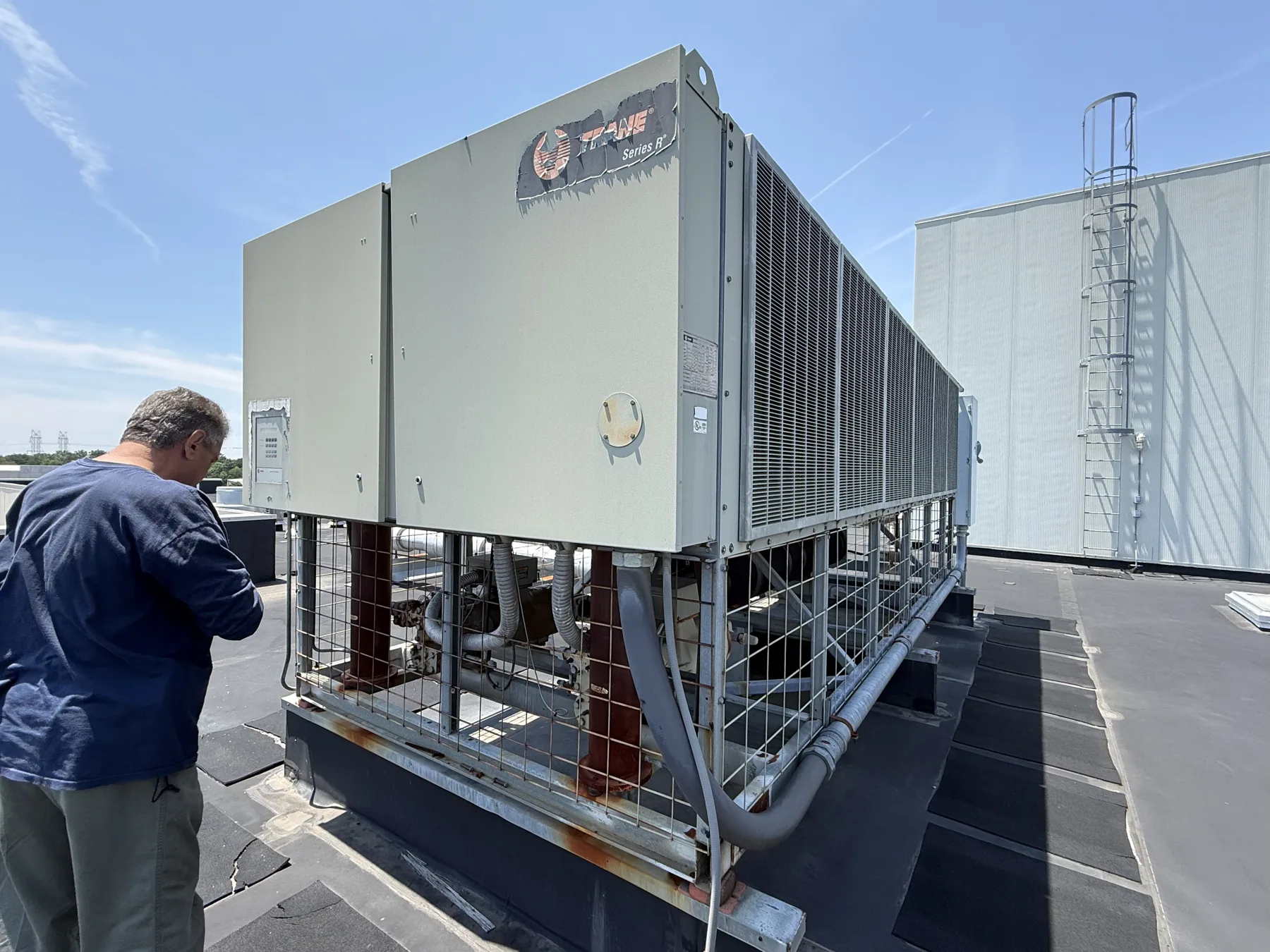
For equipment near low ceilings, utility lines or overhead structures, mention the constraints you can see and share existing measurements if available. Avoid approaching an electrical hazard or climbing for a better angle. The crew can plan the actual rigging around the verified conditions. A description of obstacles is useful whether the machine is inside a plant room or outside in an equipment area.
When the schedule is uncertain
You can begin with equipment details even if the exact pickup date is not yet known. Explain the decision milestones, any proposed shutdown window and who must approve access. An early discussion helps define what information is missing without forcing the site to rush a removal. The final plan should reflect the actual unit, the facility's operating needs and an agreed schedule.
Decide which supporting equipment stays
A chiller may be near pumps, a cooling tower, piping or controls that support the rest of a facility. Their proximity does not automatically make them part of the sale. Mark the chiller and any separate items being offered, and tell the site coordinator what must remain. Existing drawings can help, but a current photo is important if the installation has changed since the drawings were produced.
What to tell the removal coordinator
Identify the chiller's location, the site contact and any restrictions on working hours or the route to a truck. We cover rigging, a crane when needed, disconnects, refrigerant recovery, loading and freight. Existing measurements or drawings are useful, but do not guess at the weight. The removal method is planned for the actual machine and verified site conditions.
What to send for a cash offer
A nameplate photo, a view of the entire unit and a description of its present condition are a good start. Text them to (614) 715-3047 along with the city or county and a contact name. We buy chillers, provide upfront payment for a purchase and do not require operational testing. If you have more than one machine, label each photo set separately.
Review the site constraints
Before removal, share the site rules that apply to work hours, access, traffic and protection of nearby equipment. If the route crosses another tenant's space, identify who can approve it. The precise plan depends on the machine and the facility. Accurate information early in the discussion is more helpful than promising a clear route that has not been checked.