Selling a water-cooled chiller in Doddridge County, WV begins with a clear description of the unit and the place where it sits. We purchase industrial and commercial chillers from 20 tons to 2,000-plus tons, both air-cooled and water-cooled. You can request a cash offer without testing, and purchases include upfront payment. Use the guidance below to gather existing details and think through the site requirements before the equipment leaves.
Describe your water-cooled chiller
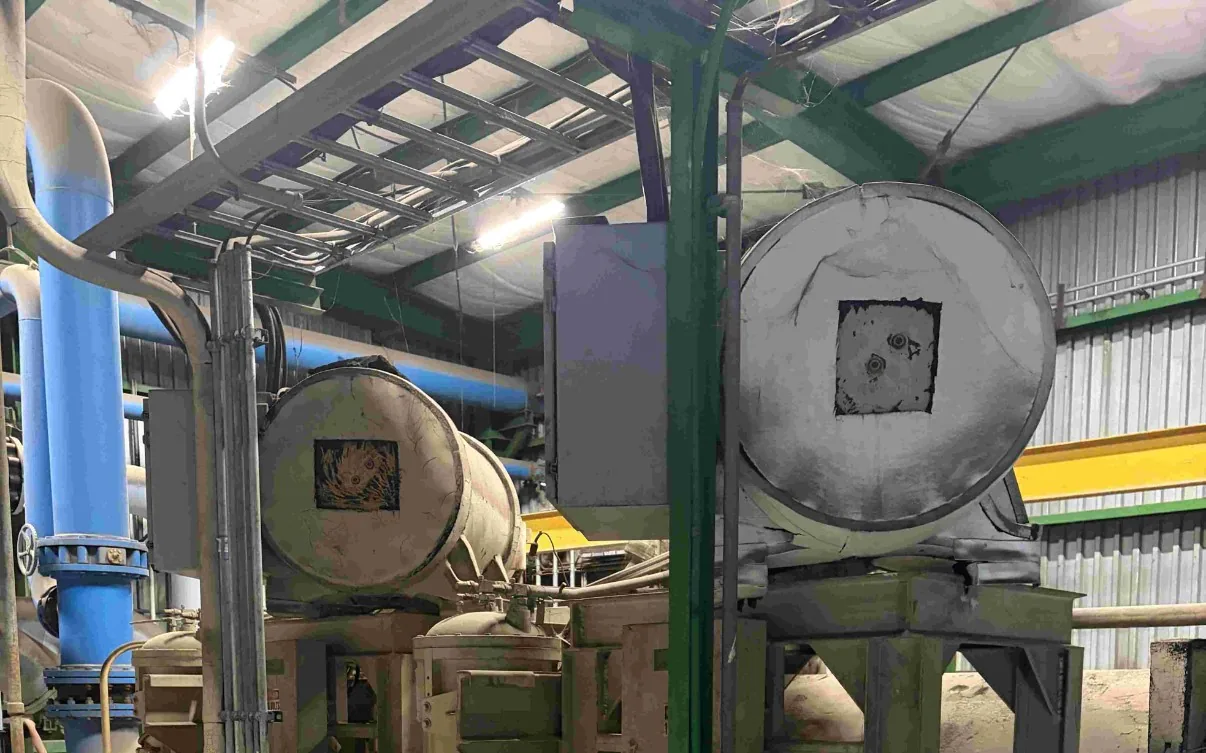
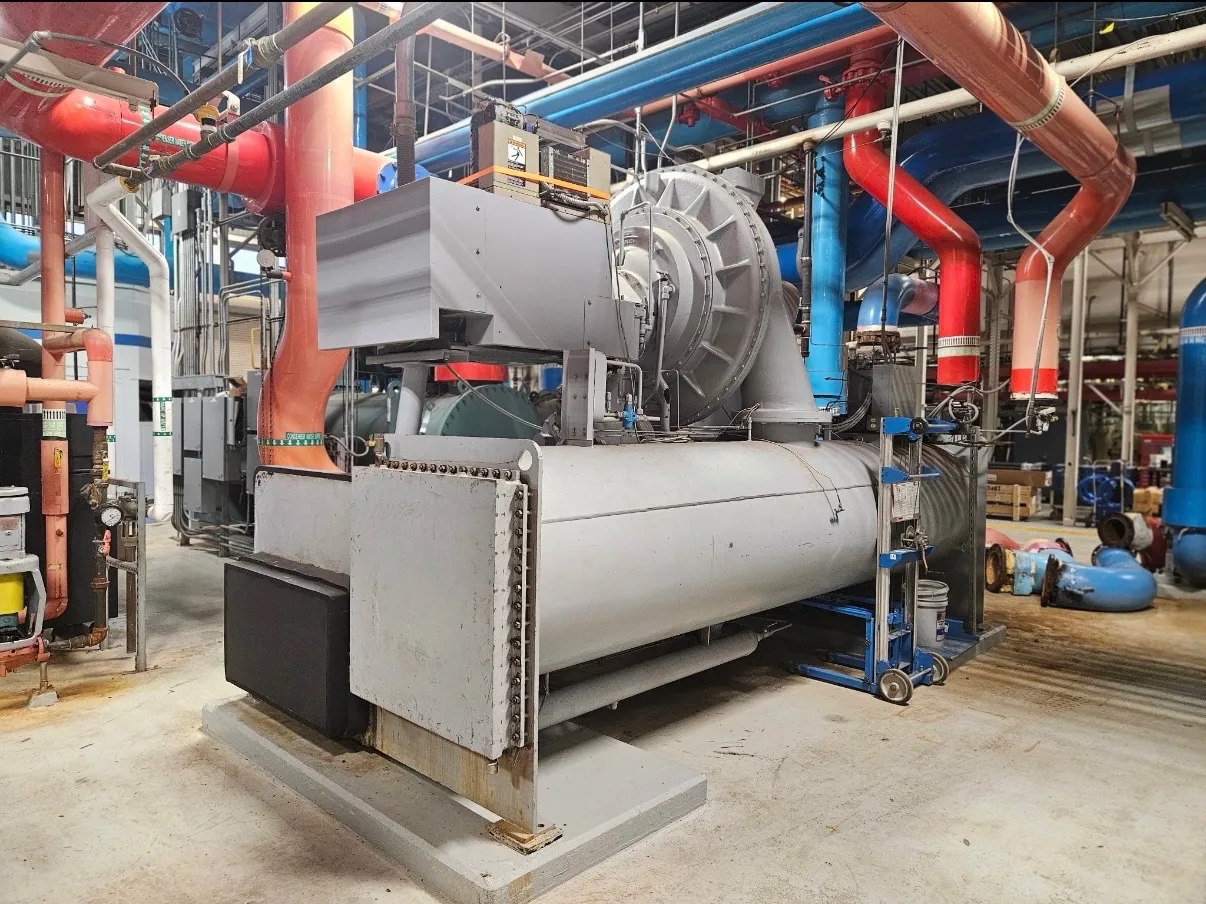
A water-cooled chiller typically connects to a separate condenser-water system as well as the chilled-water circuit. For the sale, identify the chiller itself and explain which associated items, if any, are included. A wide photo of the machine and its connections is more helpful than assuming that every pump, tower or pipe in the plant is part of the transaction.
Record the plate information if it is accessible, and note whether the unit is still connected or has already been isolated. The location of the equipment room, the opening out of the building and the space around the machine all influence the removal plan. There is no requirement to operate the unit for an offer.
Consider the needs of a school or education facility
A school or education facility may need to coordinate work around classes, events or an unoccupied period. Identify the equipment owner and the person authorized to arrange the sale, then describe any site-entry and scheduling requirements. Note whether other chillers must remain available during the work. Those details help plan a removal without assuming that every campus has the same equipment or calendar.
Identify each machine separately
For a multi-unit sale, give each chiller a simple number and use the same number on its plate, overall photo and condition notes. Tell us whether capacities are individual ratings or a combined figure. An existing inventory is helpful, but a short handwritten list can work too. Separate identification lets the discussion focus on the equipment actually being offered.
Planning a roof lift
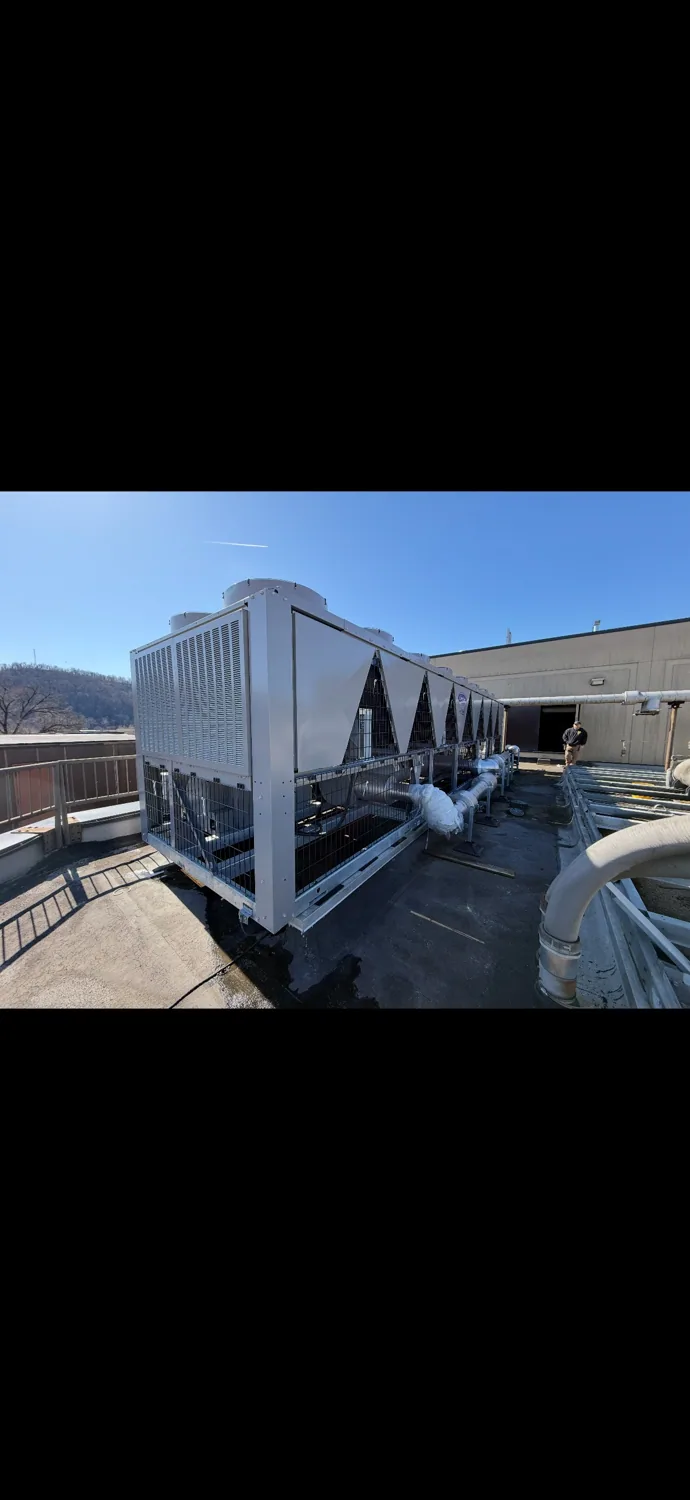
If the chiller is on a roof, provide its location on the building, a safe overall photo and any known route from the street or yard. Mention parapets, overhead obstructions and areas that must remain open. The actual lift method depends on the machine and site; do not try to move a unit yourself. We cover the crane when needed as part of the coordinated removal.
If several departments are involved
A disposal decision may involve facilities, accounting and the property owner. Agree on the equipment being sold and appoint one contact to collect the model details and photographs. A second contact can coordinate site access if necessary. That division keeps the equipment description separate from the logistics and helps prevent a removed component from being mistaken for something still needed.
Know the difference between idle and disconnected
A chiller can be shut down while still connected to electrical power, piping or other building systems. Conversely, an equipment tag saying disconnected does not describe which components remain with the machine. Tell us what is known and share existing work records if available. Do not open a cabinet or disconnect anything to investigate; the removal coordinator can plan the work around the actual starting condition.
Removal without arranging separate crews
Our purchase includes covered rigging, crane service when needed, disconnects, refrigerant recovery, loading and freight. A roof installation, a crowded mechanical room and a ground-level yard may each need a different sequence. Describe the actual setting and any known facility rules. The point is to coordinate the whole removal around the equipment rather than ask the seller to organize those services independently.
What to send for a cash offer
A nameplate photo, a view of the entire unit and a description of its present condition are a good start. Text them to (614) 715-3047 along with the city or county and a contact name. We buy chillers, provide upfront payment for a purchase and do not require operational testing. If you have more than one machine, label each photo set separately.
Be clear about the equipment history
If you know the chiller was modified, damaged or taken out of service, say so and provide the available records. Unknown is an acceptable answer when a prior owner or contractor handled the work. Avoid assuming that a recent repair applies to every component in a multi-unit plant. The buyer can review what is documented without asking for a new operating test.