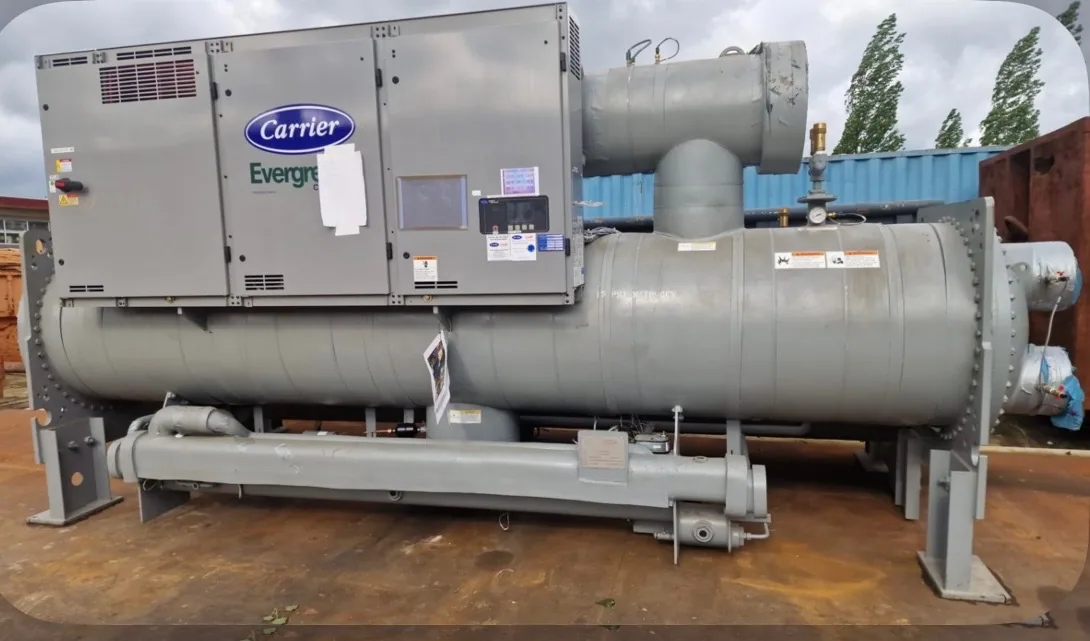
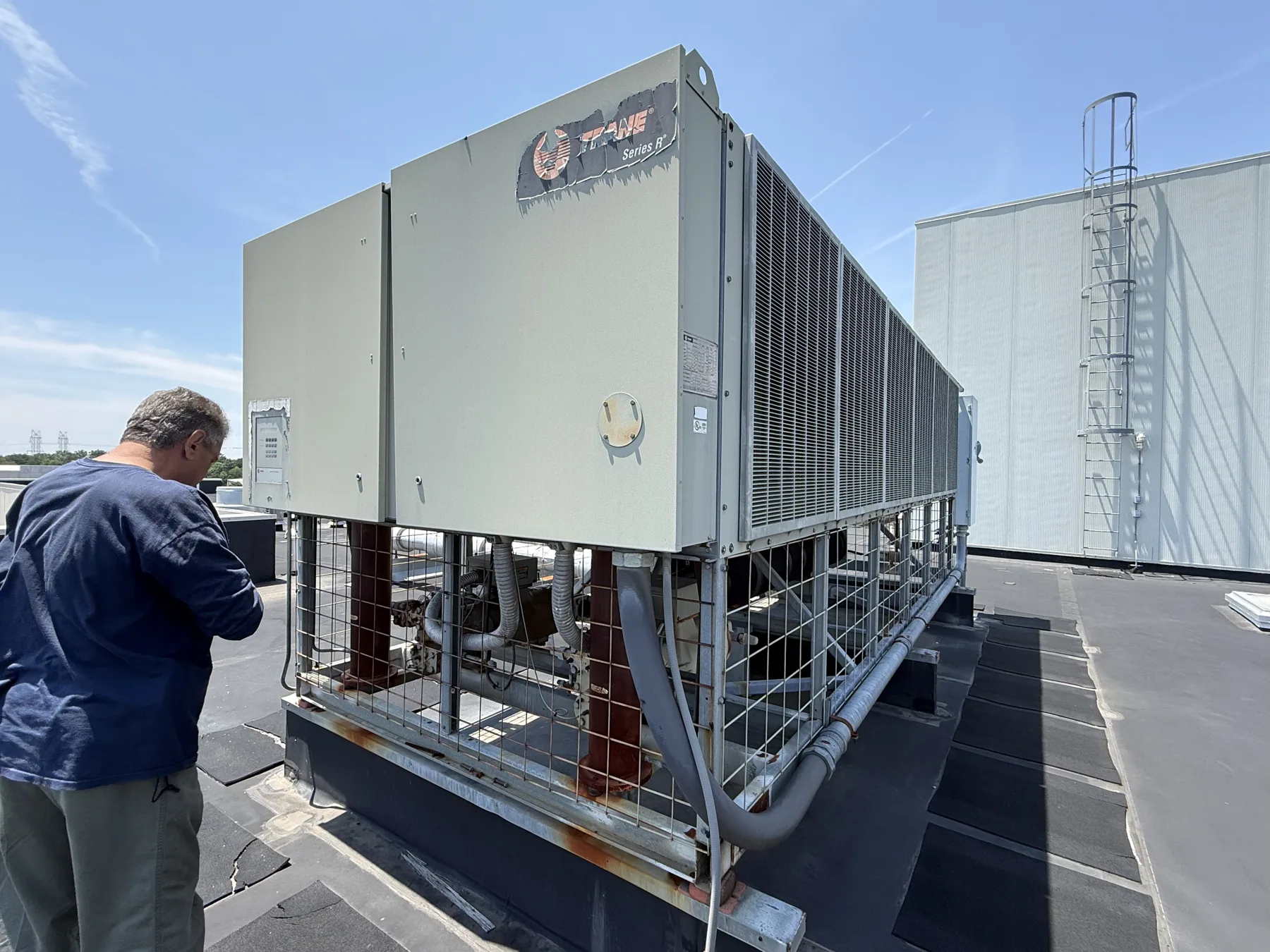
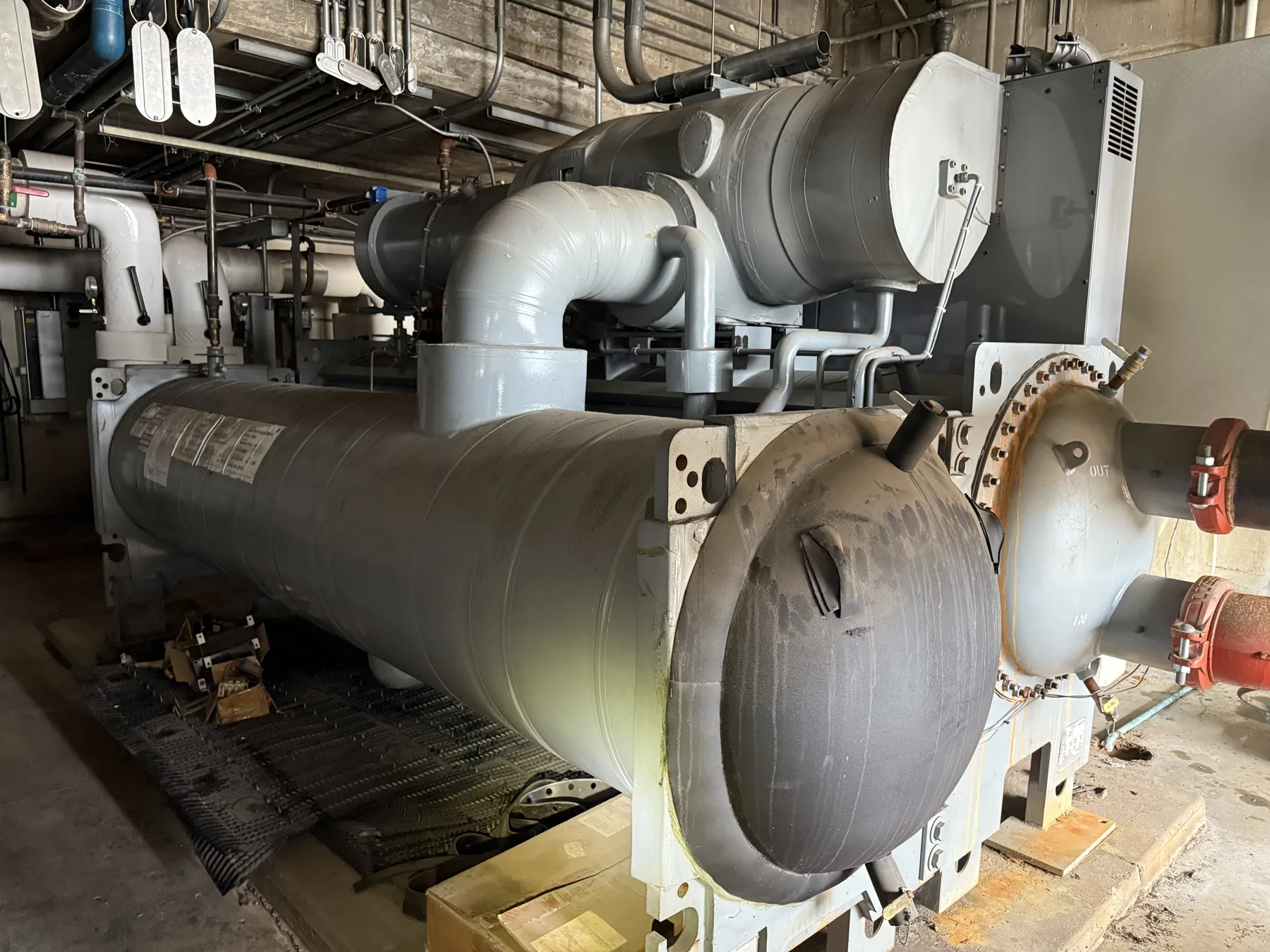
If you need to sell a used chiller in Wayne County, WV, start with the equipment you actually have, not an assumed market value or a test run. We buy commercial and industrial chillers from 20 tons to 2,000-plus tons, including air-cooled and water-cooled units. Our buying process includes cash offers and upfront payment, and a test is not required. The guidance below explains how to identify the machine and prepare for removal.
A clearer starting point for a chiller sale
A model name, capacity, condition and location describe different aspects of a chiller. Gather the information you can safely verify and flag anything uncertain. If the system contains multiple units, send separate photographs and identify which machine is available. Do not assume a building's total cooling capacity is the rating of the single chiller being offered.
We purchase air-cooled and water-cooled industrial chillers from 20 tons to 2,000-plus tons. A shut-down or nonrunning unit can be considered without operational testing. Current photos and a contact who understands the facility are useful even when older maintenance paperwork is unavailable.
Consider the needs of a data center
In a data center or other critical-load building, the equipment being sold should be clearly distinguished from cooling that remains in use. Provide the site contact's access rules, relevant work windows and any boundaries around active equipment. Avoid sending confidential security information with an initial photo set; a basic description of the chiller and a safe route to it can begin the conversation.
Separate capacity from plant totals
Capacity is useful only when its scope is clear. A building schedule may show the combined capacity of several chillers, while the sale may include just one. Send the individual machine rating if available and identify any uncertainty. If there are several units, number them and photograph each plate. This avoids mistaking a plant total for the size of a single chiller.
Access around occupied operations
An occupied property may have delivery vehicles, staff movement or customer areas near the proposed route. Indicate the times or places that need special coordination and identify the person who can approve access. Photographs taken from a safe location can show the general setting. The goal is to plan the chiller removal around the real site, not assume that every facility has a clear path.
Selling from a property transition
During a building sale, lease change or closure, establish who owns the equipment and when access will be available. An inventory may identify the chiller, but current photographs show whether it still matches the paperwork. Let us know which contact can approve the transaction and which person can coordinate entry. A unit does not have to be running to be considered.
Selling one unit from a larger group
When only one chiller in a group is being retired, identify it by model and serial number and mark it on a wide photograph. Explain whether other units continue to serve the building and whether the access route passes close to them. Give the removal contact an opportunity to coordinate with facility staff. The equipment sold and the equipment that remains should be clearly distinguished before work begins.
One coordinated exit plan
Our covered scope includes rigging, a crane when needed, disconnects, refrigerant recovery, loading and freight. The chiller's location, weight and route determine how those tasks are coordinated. Share available dimensions and site drawings, but do not attempt to rig or lift the machine yourself. An informed site contact can help the crew understand what must remain accessible during the work.
Sell the chiller as it sits
Whether the machine is operating, shut down or partially dismantled, explain its actual state and text photos to (614) 715-3047. We are buyers, not equipment resellers offering units to this site's visitors. Our process starts with a cash offer and provides upfront payment for a purchase; operational testing is not required. Identify missing components so the offer discussion reflects what is available.
Keep photos tied to the unit
A photograph of a label is useful only if it can be matched to the machine for sale. Include the whole chiller in a separate view and number the images when several units are present. Note whether a separate starter or control cabinet belongs to that machine. A small amount of organization helps both the offer discussion and the later removal handoff.