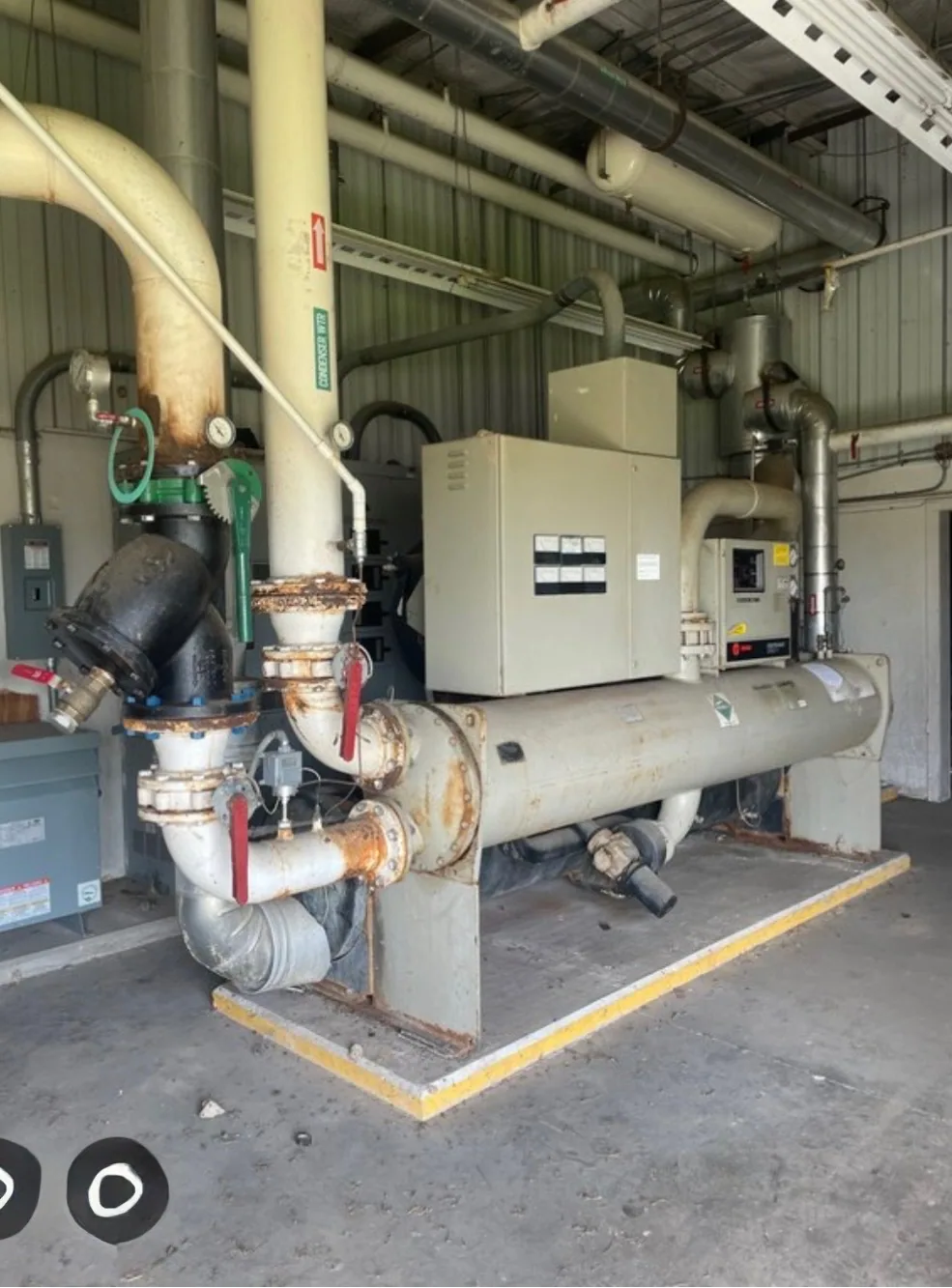
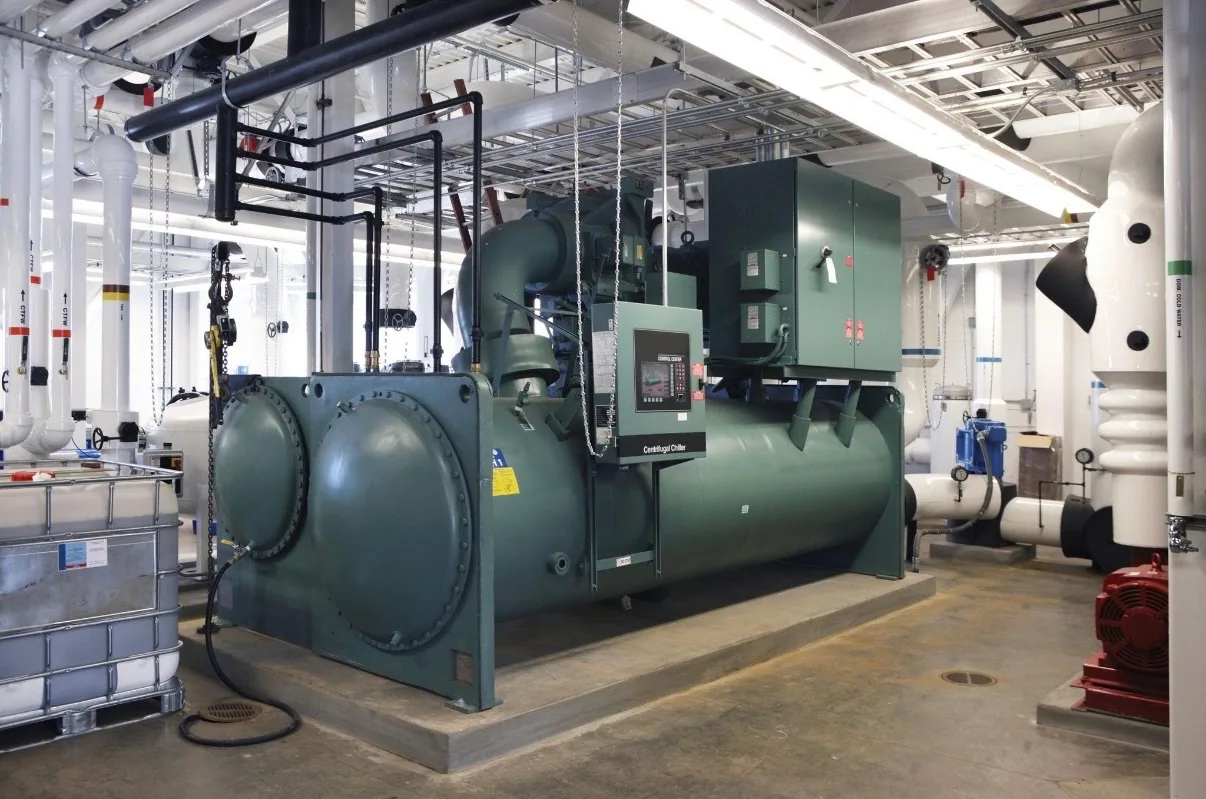
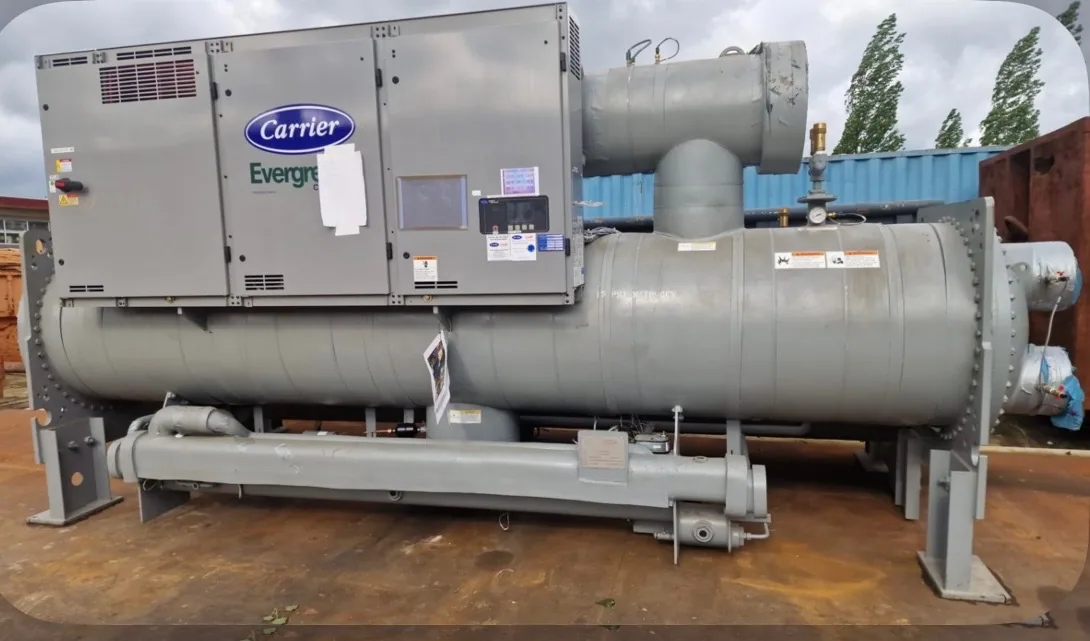
A chiller sale in Upshur County, WV starts with a clear picture of the equipment. If you own a used chiller, tell us its location, rated capacity if known and present condition. We buy commercial and industrial air-cooled and water-cooled chillers from 20 tons to 2,000-plus tons. Cash offers and upfront payment are part of our process, and we do not require testing. The following details help the owner and site team prepare.
What matters before removal
A good initial description covers the chiller itself and the route to it. Show its plate, the complete assembly and a safe view of the surrounding area. If a separate starter or control cabinet is included, point that out. Tell us about an indoor location, roof, yard or other setting without trying to dismantle the equipment yourself.
We buy industrial chillers from 20 tons to 2,000-plus tons, including both water-cooled and air-cooled units. Operational testing is not required. A nonrunning machine can be discussed from existing information, with the details of access and covered removal coordinated for the particular site.
Consider the needs of a school or education facility
A school or education facility may need to coordinate work around classes, events or an unoccupied period. Identify the equipment owner and the person authorized to arrange the sale, then describe any site-entry and scheduling requirements. Note whether other chillers must remain available during the work. Those details help plan a removal without assuming that every campus has the same equipment or calendar.
When the plate is hard to read
A faded or inaccessible plate should not lead you to make up a model or capacity. Provide a safe photo of what is visible, plus any drawing, invoice or maintenance record you already have. Tell us which details are estimates. Another person familiar with the plant may be able to identify the machine, but no one should enter a hazardous area merely to gather information.
Overhead clearance and obstacles
For equipment near low ceilings, utility lines or overhead structures, mention the constraints you can see and share existing measurements if available. Avoid approaching an electrical hazard or climbing for a better angle. The crew can plan the actual rigging around the verified conditions. A description of obstacles is useful whether the machine is inside a plant room or outside in an equipment area.
Working around an active plant
If the rest of the cooling plant must stay in service, identify the chiller to be removed and explain the boundaries around active equipment. The site team can flag operating constraints and preferred work windows. Do not disconnect shared piping or electrical equipment yourself to accelerate the sale. We cover disconnects and coordinate the removal scope for the unit being purchased.
Coordinate ownership and access separately
Ownership and physical access may be controlled by different people. A landlord, tenant, contractor or project manager may know the equipment without being authorized to sell it. Confirm the owner and the person who can approve a transfer; also identify whoever can provide safe access to the unit. If an internal approval is pending, mention the expected process rather than treating a tentative decision as final.
Planning the work as a package
The service we cover spans rigging, crane work when needed, disconnects, refrigerant recovery, loading and freight. If the chiller has separate controls or loose pieces, identify whether they are included so the collection plan reflects the actual sale. Explain any building access or scheduling requirements early. Different machines need different handling; a tonnage figure alone is not a lift plan.
From first photos to an offer
Show the equipment as it is and send the pictures to (614) 715-3047. Add the model, rated tons and refrigerant if known, plus a short note about access. We are a chiller buyer and make cash offers with upfront payment. We do not require operational testing and do not sell replacement chillers. An accurate description helps keep the transaction focused.
Keep the right contacts together
The person who can authorize a sale is not always the person who can open the equipment room. Provide a contact for ownership decisions and, if different, a site contact for entry and work coordination. Note any requirements for notifying building occupants. That simple handoff is especially useful when a chiller is being removed from a property that continues to operate.