Owners of a chiller from a data center in Martinsburg, WV can ask us about a sale whether the equipment is running or shut down. We buy air-cooled and water-cooled industrial chillers from 20 tons to 2,000-plus tons, with cash offers and upfront payment. No testing is required. Good photos, a clear description of what is included and a contact who understands the facility can make the next steps easier to coordinate.
Identify the chiller at a data center
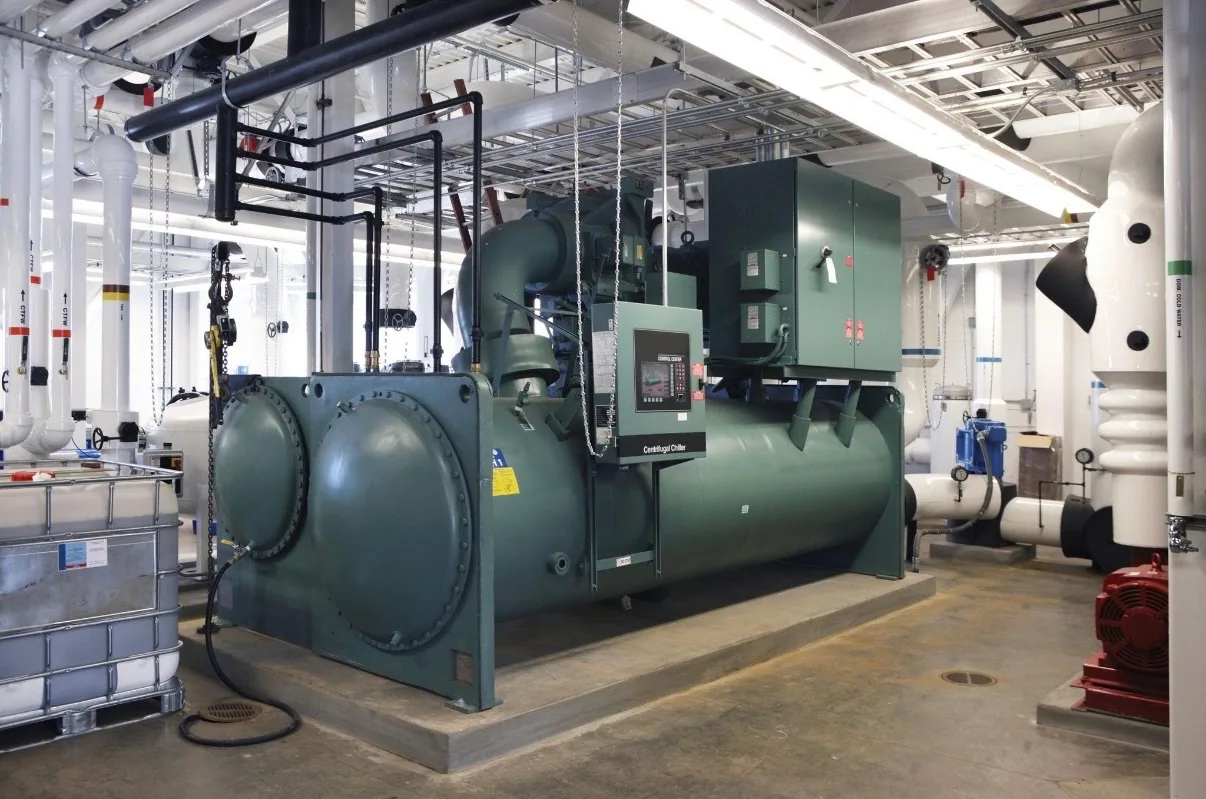
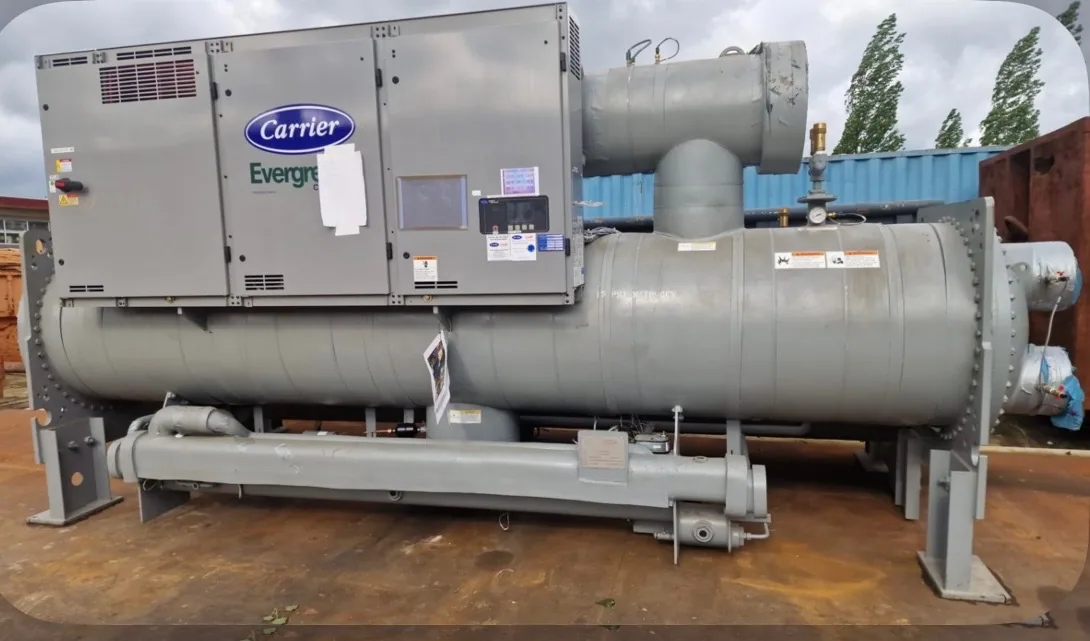
At a data center, begin by identifying the specific chiller the owner wants to sell. A cooling plant may contain several machines along with pumps, controls and other equipment that are not part of the transaction. Photograph the unit, its model and serial plate, and any separate components included. Mark other systems that need to stay in place.
Share the chiller's rated capacity and whether it is air-cooled or water-cooled if known. We buy industrial and commercial chillers from 20 tons to 2,000-plus tons. An idle machine can be reviewed in its current condition; you do not need to run an operational test or produce a new performance report to start a sale conversation.
Consider the needs of a data center
In a data center or other critical-load building, the equipment being sold should be clearly distinguished from cooling that remains in use. Provide the site contact's access rules, relevant work windows and any boundaries around active equipment. Avoid sending confidential security information with an initial photo set; a basic description of the chiller and a safe route to it can begin the conversation.
Record the present condition
Describe the equipment as it sits today: connected or disconnected, complete or partly removed, running or shut down. Note visible damage or missing pieces and distinguish what you know from what is uncertain. Photos and an honest account are more useful than promising a performance level. We can review nonrunning equipment and do not require operational testing.
Considering a tight equipment yard
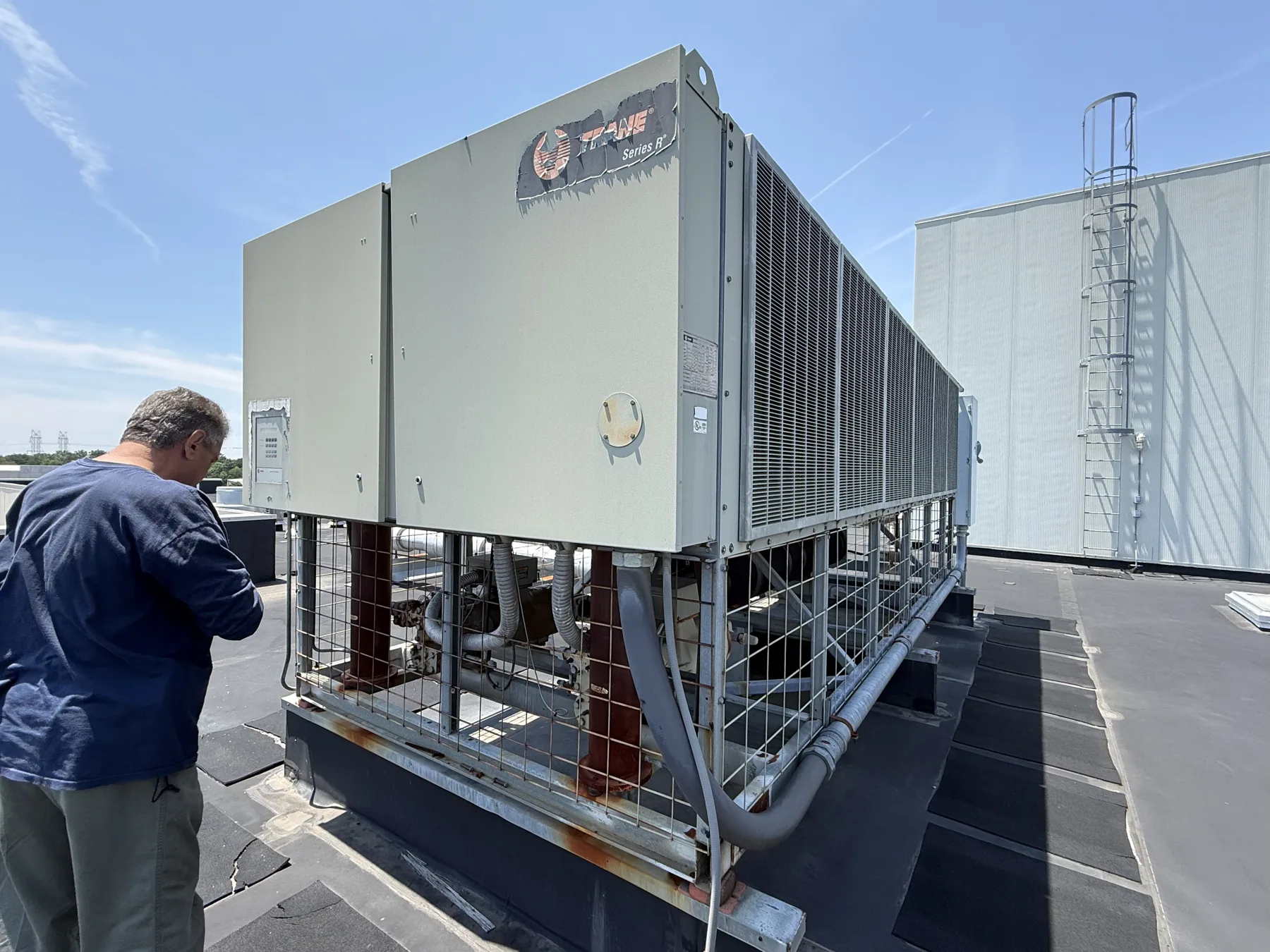
An outdoor equipment yard may contain fences, piping, curbs or other units that limit access. Take a wide picture from a safe position and note any gates or sections that cannot be disturbed. Show where the chiller ends and neighboring equipment begins. A clear boundary helps the removal discussion without assuming the machine can simply be rolled onto a truck.
If the chiller is already retired
A unit that has been off for months or years can still be submitted. Tell us when it was last known to operate if that information exists, but do not start it merely for a sale. Describe what is connected, what has been removed and whether the site is accessible. A practical account of the present condition matters more than an unsupported performance claim.
Plan around a defined sale boundary
Before a removal crew arrives, agree on the particular chiller and any separate cabinets or detached parts included in the transaction. Note components connected to other equipment and anything the owner intends to keep. Photographs marked with simple labels can clarify that boundary. The actual sequence depends on site conditions, but a shared understanding of what is being purchased helps avoid unnecessary confusion.
Planning the work as a package
The service we cover spans rigging, crane work when needed, disconnects, refrigerant recovery, loading and freight. If the chiller has separate controls or loose pieces, identify whether they are included so the collection plan reflects the actual sale. Explain any building access or scheduling requirements early. Different machines need different handling; a tonnage figure alone is not a lift plan.
Request an offer from photos
Send the nameplate, a whole-unit photo and a short description to (614) 715-3047. Include the West Virginia location, condition and the best contact for access. We buy rather than sell chillers and can make a cash offer with upfront payment. You do not need to run a test, repair the chiller or obtain a new performance report before reaching out.
Be clear about the equipment history
If you know the chiller was modified, damaged or taken out of service, say so and provide the available records. Unknown is an acceptable answer when a prior owner or contractor handled the work. Avoid assuming that a recent repair applies to every component in a multi-unit plant. The buyer can review what is documented without asking for a new operating test.