

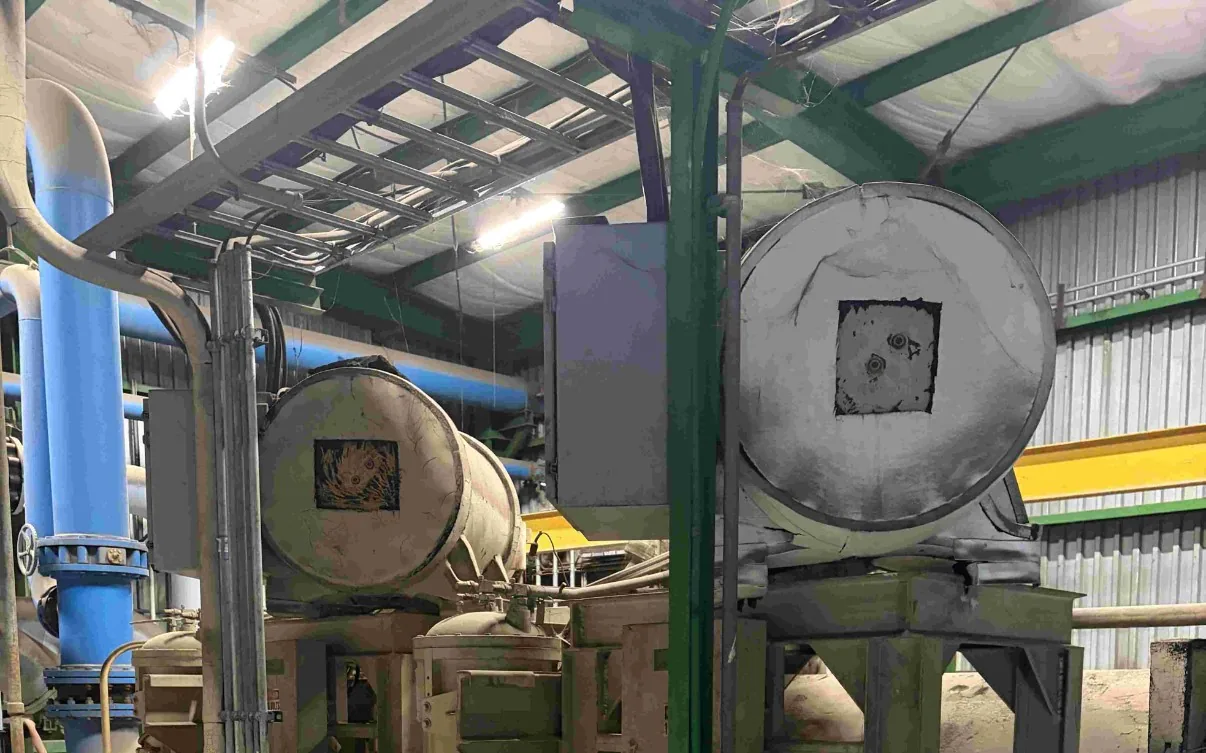
Owners of an air-cooled chiller in Mingo County, WV can ask us about a sale whether the equipment is running or shut down. We buy air-cooled and water-cooled industrial chillers from 20 tons to 2,000-plus tons, with cash offers and upfront payment. No testing is required. Good photos, a clear description of what is included and a contact who understands the facility can make the next steps easier to coordinate.
Describe your air-cooled chiller
An air-cooled chiller rejects heat through an air-facing condenser. In photographs, show the complete unit, the visible coil surfaces, fan section and control cabinet where safely accessible. Share whether the equipment is at ground level, on a raised platform or on a roof. That physical setting is important for planning removal and does not determine the offer by itself.
Read the actual plate for model, capacity and refrigerant rather than guessing from the footprint. Note any missing fan assemblies, damaged panels or parts that have been detached. Do not climb onto equipment or open an energized cabinet for a photo. We buy air-cooled chillers without requiring an operational test.
Consider the needs of a mixed-use property
In a mixed-use building, the chiller owner and the parties affected by a removal are not always the same. Clarify who can approve the sale and who can coordinate access to shared areas. Point out tenant, parking or loading constraints without assuming they prevent a transaction. The seller can request an offer with existing photos and records; restarting the machine is not necessary.
Clarify equipment ownership
Before a sale is finalized, confirm who owns the chiller and who is authorized to transfer it. The building owner, tenant, property manager and maintenance contractor may have different roles. If the equipment is part of a larger replacement project, specify what is included and who controls access. Clear ownership and a named site contact prevent delays without requiring the machine to be tested.
Checking the loading area
A truck-accessible loading area is useful information even when the chiller itself is indoors. Note dock height, gate width if known, vehicle restrictions and whether another tenant controls the approach. These are planning questions, not a request for the seller to arrange transport. We cover loading and freight and coordinate the practical route with the site contact after reviewing the equipment.
Describing previous disconnection
If another contractor has already disconnected part of the chiller, explain exactly what has been done and what remains attached. Do not assume all connections were handled simply because a machine is shut down. Current photos and any available work records can help the removal team understand the starting point. We cover the required disconnects and coordinate the remaining removal work.
Use records as evidence, not assumptions
Maintenance logs, invoices and drawings can explain a chiller's history, but they may be outdated or refer to a neighboring unit. Match the serial number when possible and show any known changes in current photos. If there is a difference between a plate and a later record, send both and note the discrepancy. You do not need to settle every technical question before contacting the buyer.
Coordinating a safe handoff
Share any known restrictions around active equipment and access to the chiller. We cover disconnects, refrigerant recovery, rigging, crane service when needed, loading and freight for the purchased equipment. The people coordinating the work can use the information you provide to plan the appropriate sequence. You do not need to open cabinets, break connections or attempt a lift for an initial review.
What to send for a cash offer
A nameplate photo, a view of the entire unit and a description of its present condition are a good start. Text them to (614) 715-3047 along with the city or county and a contact name. We buy chillers, provide upfront payment for a purchase and do not require operational testing. If you have more than one machine, label each photo set separately.
Keep the right contacts together
The person who can authorize a sale is not always the person who can open the equipment room. Provide a contact for ownership decisions and, if different, a site contact for entry and work coordination. Note any requirements for notifying building occupants. That simple handoff is especially useful when a chiller is being removed from a property that continues to operate.