
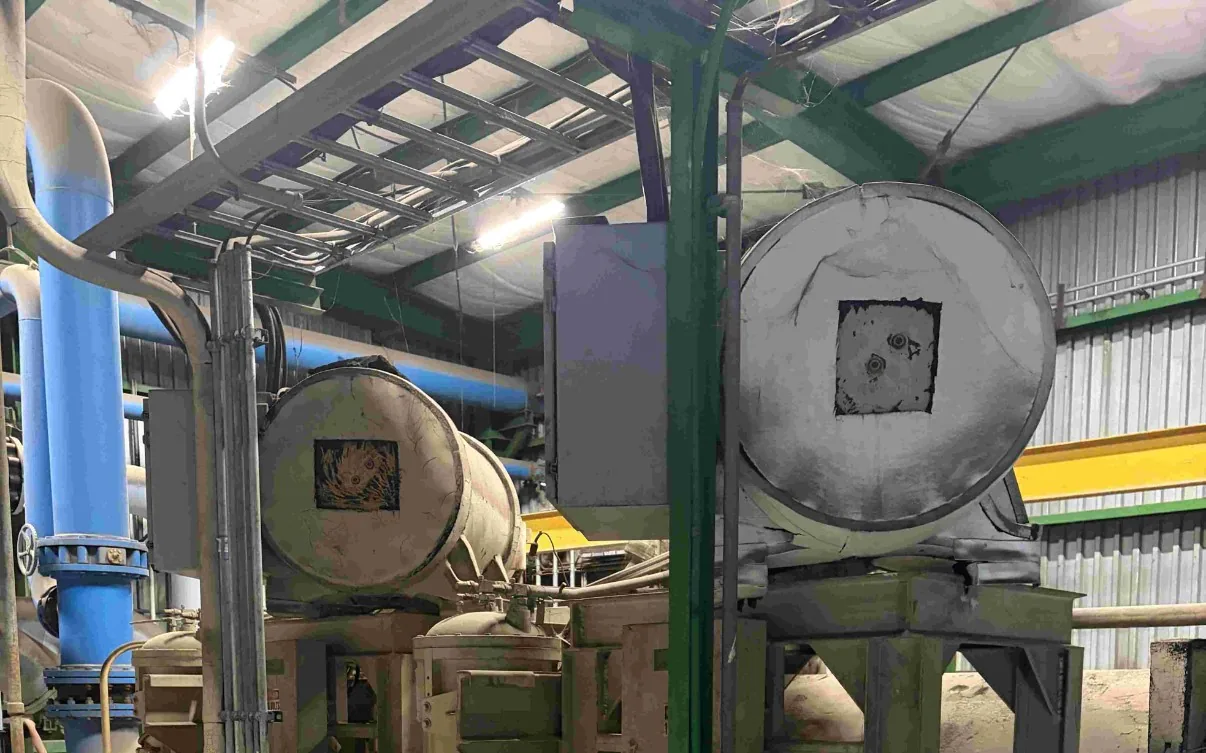

Selling a 1,000–2,000+-ton chiller in Parkersburg, WV begins with a clear description of the unit and the place where it sits. We purchase industrial and commercial chillers from 20 tons to 2,000-plus tons, both air-cooled and water-cooled. You can request a cash offer without testing, and purchases include upfront payment. Use the guidance below to gather existing details and think through the site requirements before the equipment leaves.
Identify your 1,000–2,000+-ton chiller
For a chiller rated from 1,000 tons through 2,000 tons or more, provide the actual rated capacity and model information if available. A large central plant can contain multiple assemblies, so mark which machine is for sale and whether its starter and controls are included. A site plan or photographs showing the whole room can clarify the boundaries of the transaction.
Allow room in the discussion for the real exit path, equipment dimensions and coordination with an occupied facility. No specific dismantling method should be assumed from the tonnage. We buy chillers in this range without operational testing, and we cover the removal-related services described on this page.
Consider the needs of a food-processing facility
A food-processing site may have hygiene, traffic or production restrictions that affect the removal route. Explain any site-specific requirements to the removal coordinator and identify whether the retired chiller served a process or a building loop, if known. Do not disturb nearby equipment for a photograph. List the machine and any components being sold separately from systems that must remain active.
Use service records carefully
Existing service records can help identify modifications, shutdown history or a refrigerant change, but they may refer to a different machine in the same facility. Match records to the serial number when possible and label anything uncertain. It is fine to say that the history is unknown. Do not create a new performance report or start the chiller just to request a cash offer.
Access around occupied operations
An occupied property may have delivery vehicles, staff movement or customer areas near the proposed route. Indicate the times or places that need special coordination and identify the person who can approve access. Photographs taken from a safe location can show the general setting. The goal is to plan the chiller removal around the real site, not assume that every facility has a clear path.
Preparing without extra work
There is no need to clean, repair or restart a chiller just to begin a conversation. Gather existing pictures and the information you can safely read, then describe the location and condition. Tell us about known deadlines and the person responsible for access. We can review the machine without operational testing and coordinate the covered removal services as part of the transaction.
Selling one unit from a larger group
When only one chiller in a group is being retired, identify it by model and serial number and mark it on a wide photograph. Explain whether other units continue to serve the building and whether the access route passes close to them. Give the removal contact an opportunity to coordinate with facility staff. The equipment sold and the equipment that remains should be clearly distinguished before work begins.
One coordinated exit plan
Our covered scope includes rigging, a crane when needed, disconnects, refrigerant recovery, loading and freight. The chiller's location, weight and route determine how those tasks are coordinated. Share available dimensions and site drawings, but do not attempt to rig or lift the machine yourself. An informed site contact can help the crew understand what must remain accessible during the work.
What to send for a cash offer
A nameplate photo, a view of the entire unit and a description of its present condition are a good start. Text them to (614) 715-3047 along with the city or county and a contact name. We buy chillers, provide upfront payment for a purchase and do not require operational testing. If you have more than one machine, label each photo set separately.
Keep the right contacts together
The person who can authorize a sale is not always the person who can open the equipment room. Provide a contact for ownership decisions and, if different, a site contact for entry and work coordination. Note any requirements for notifying building occupants. That simple handoff is especially useful when a chiller is being removed from a property that continues to operate.