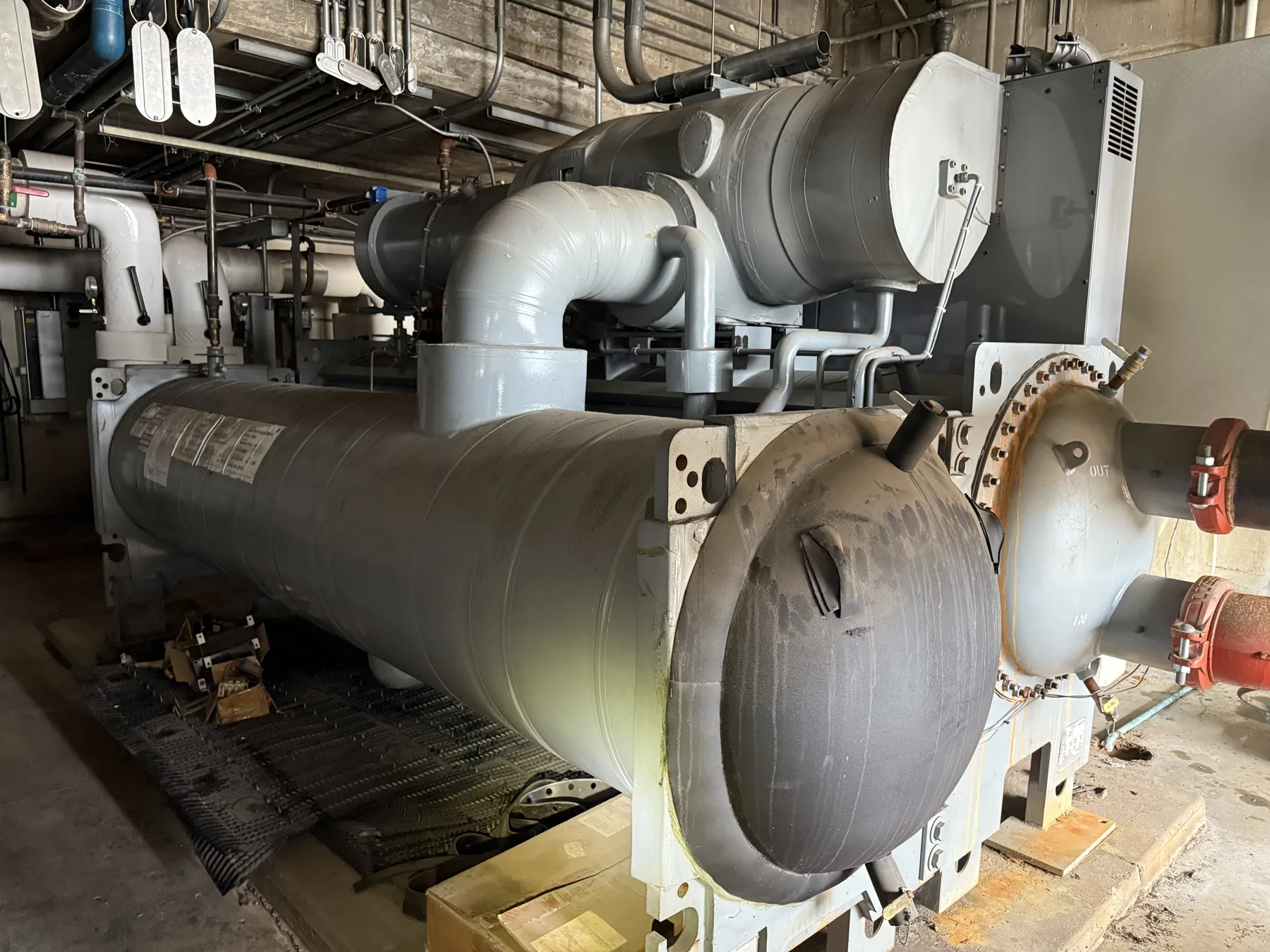
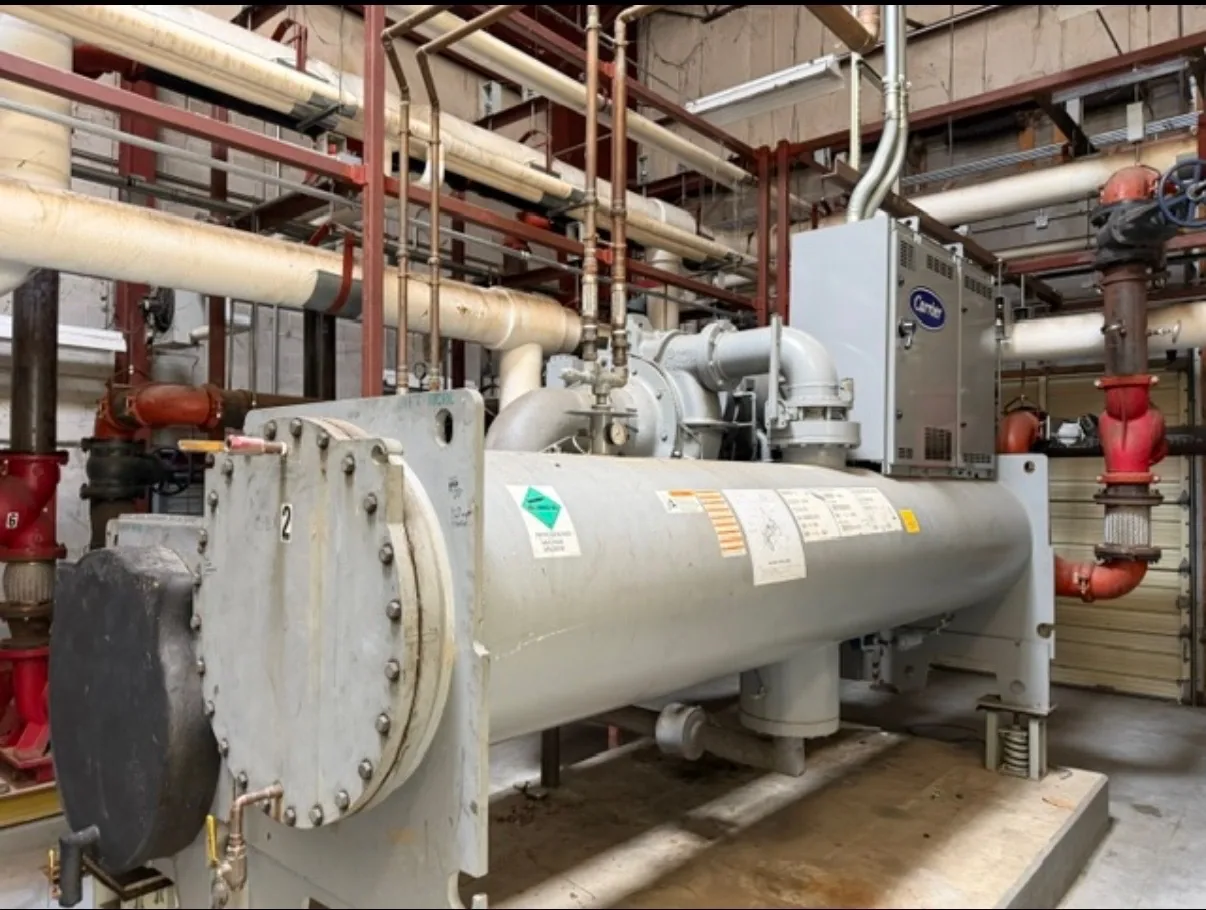
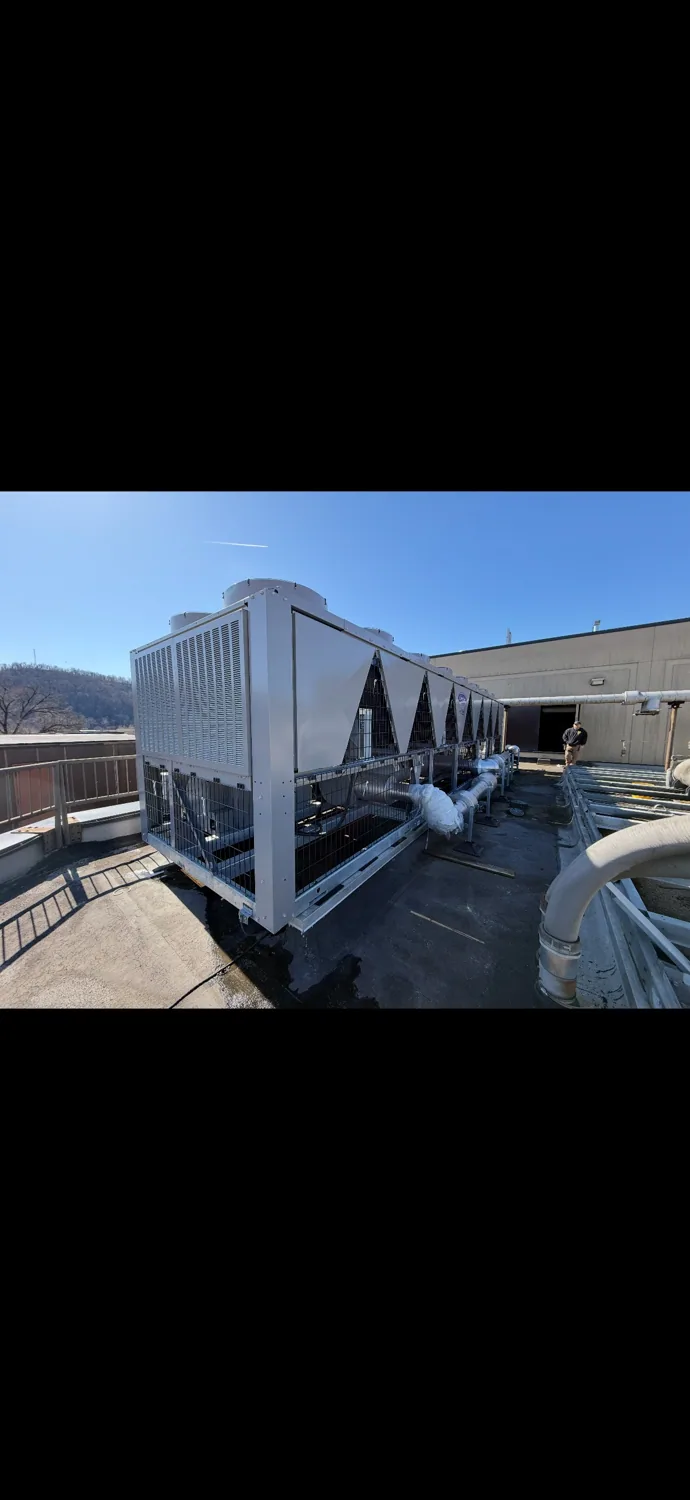
Owners of a used chiller in Hardy County, WV can ask us about a sale whether the equipment is running or shut down. We buy air-cooled and water-cooled industrial chillers from 20 tons to 2,000-plus tons, with cash offers and upfront payment. No testing is required. Good photos, a clear description of what is included and a contact who understands the facility can make the next steps easier to coordinate.
Selling equipment during a transition
A facility closure, replacement project or change of ownership can make a chiller available, but each situation has its own decision process. Confirm who owns the unit and who can approve its sale. Identify the equipment with photographs and explain when access might be possible. A prospective removal should be coordinated with any operations that continue at the property.
We buy air-cooled and water-cooled industrial chillers from 20 tons to 2,000-plus tons. The machine does not have to be operating and no operational test is required. Provide the known condition and schedule rather than assuming the old plant records describe its present state.
Consider the needs of a data center
In a data center or other critical-load building, the equipment being sold should be clearly distinguished from cooling that remains in use. Provide the site contact's access rules, relevant work windows and any boundaries around active equipment. Avoid sending confidential security information with an initial photo set; a basic description of the chiller and a safe route to it can begin the conversation.
Use service records carefully
Existing service records can help identify modifications, shutdown history or a refrigerant change, but they may refer to a different machine in the same facility. Match records to the serial number when possible and label anything uncertain. It is fine to say that the history is unknown. Do not create a new performance report or start the chiller just to request a cash offer.
Working from a mechanical room
An interior plant room calls for a look at more than the equipment footprint. Describe doors, corridor turns and changes in floor level between the chiller and the outside, if known. Indicate whether nearby equipment must stay in service. Existing drawings and a few safe photographs can help the removal team plan; you do not need to cut a path or dismantle the machine before asking for an offer.
If replacement is already planned
When a replacement project is underway, identify when the old chiller will be available and whether the new equipment must remain in service during removal. Coordinate the seller's project contact with the person responsible for building access. Do not assume that a construction date automatically establishes a clear exit route. A proposed window and current site photos allow the removal conversation to start early.
Allow for a staged facility transition
When a new cooling system is being installed, the old chiller may not become available on the same day as the purchase decision. Share the expected sequence and flag which dates are still tentative. The site contact can identify access needs and equipment that must remain active. We can begin discussing the chiller from current photos and records without requiring it to be tested or removed first.
What our removal scope covers
We cover rigging, crane service when needed, disconnects, refrigerant recovery, loading and freight for the chiller we buy. That scope is intended to avoid leaving the seller to arrange the major steps separately. The method and sequence depend on the actual unit and site. Tell us about known access restrictions, nearby active equipment and any relevant facility requirements at the outset.
Sell the chiller as it sits
Whether the machine is operating, shut down or partially dismantled, explain its actual state and text photos to (614) 715-3047. We are buyers, not equipment resellers offering units to this site's visitors. Our process starts with a cash offer and provides upfront payment for a purchase; operational testing is not required. Identify missing components so the offer discussion reflects what is available.
Check authorization before handoff
If the chiller belongs to a company, public body or property owner, make sure the person accepting the offer has the necessary authority. The facility may also have its own inventory or disposal process. Identify who will coordinate access and confirm which components are included. These practical steps help the purchase proceed without assuming that the maintenance contact owns the equipment.