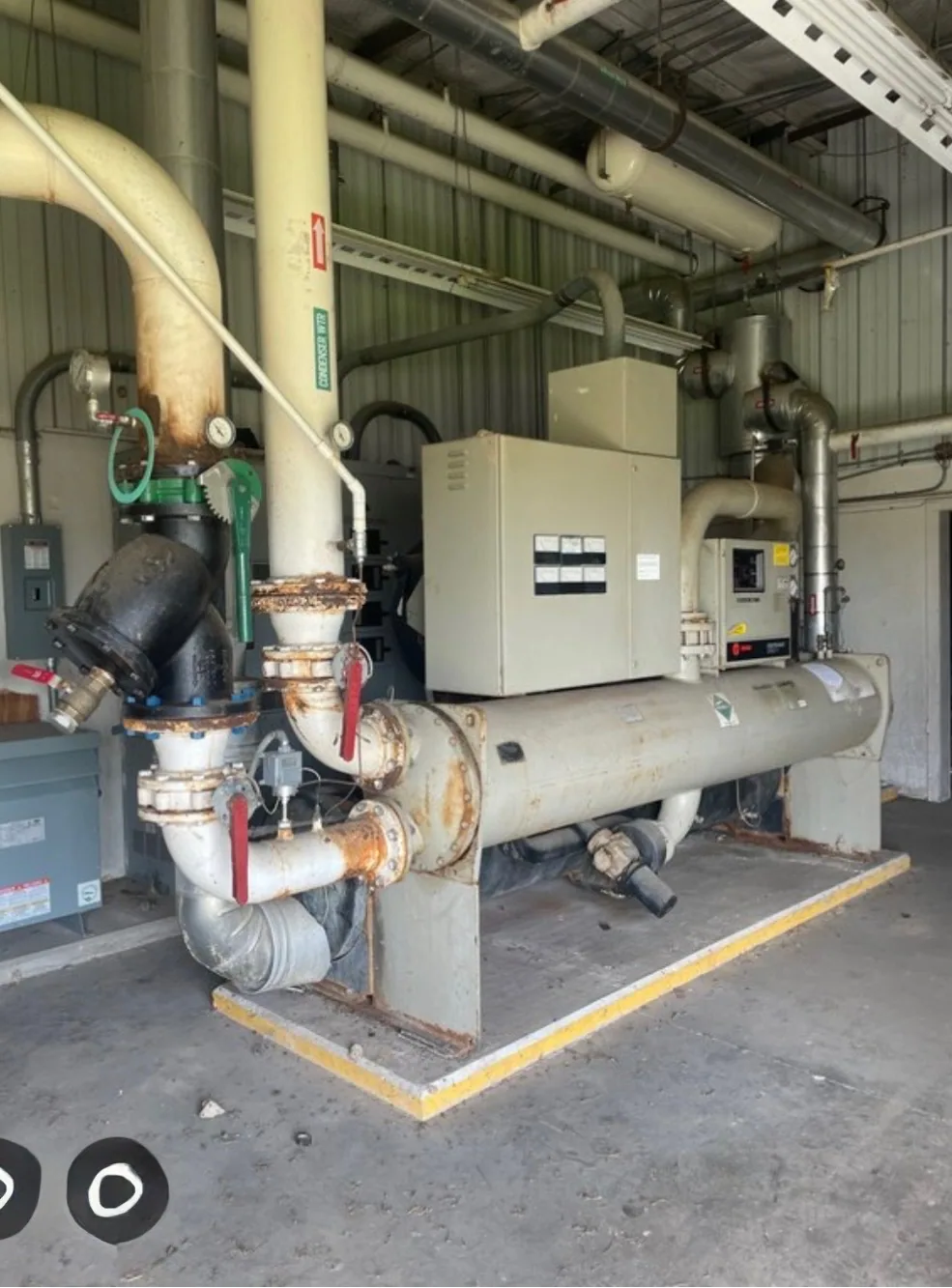
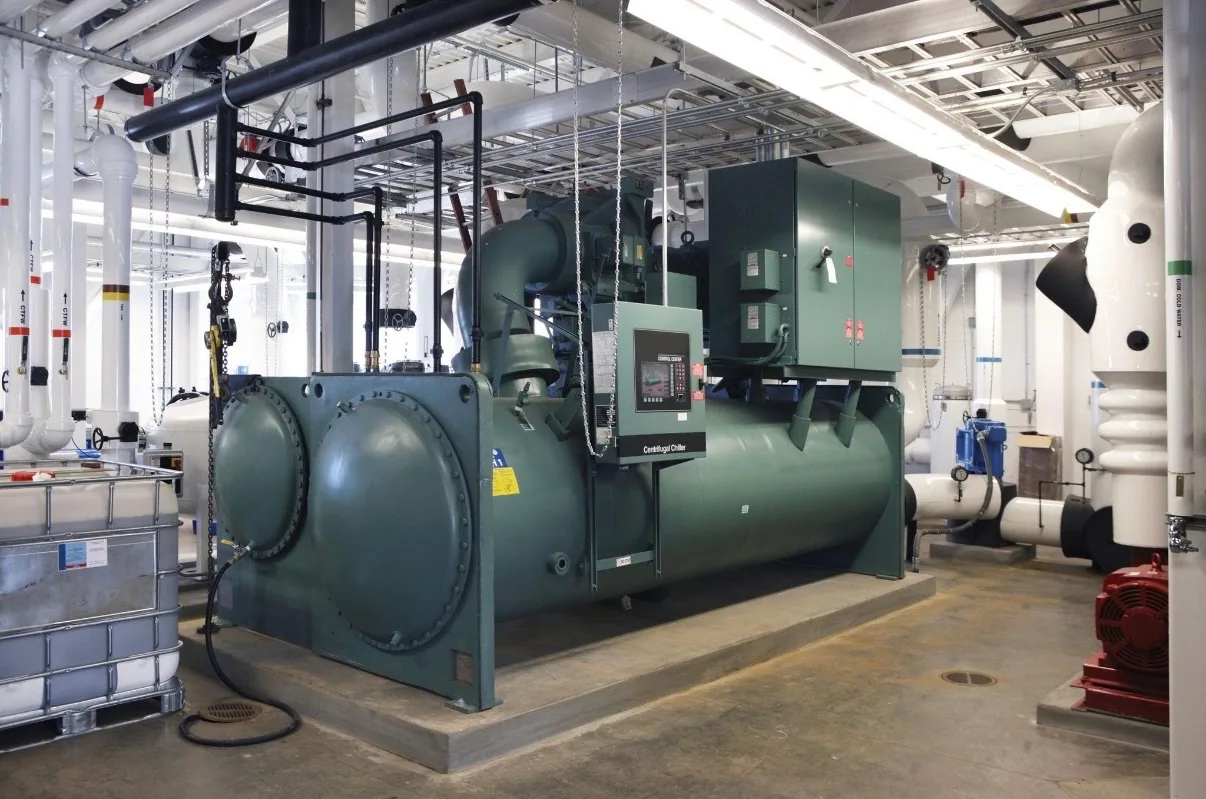
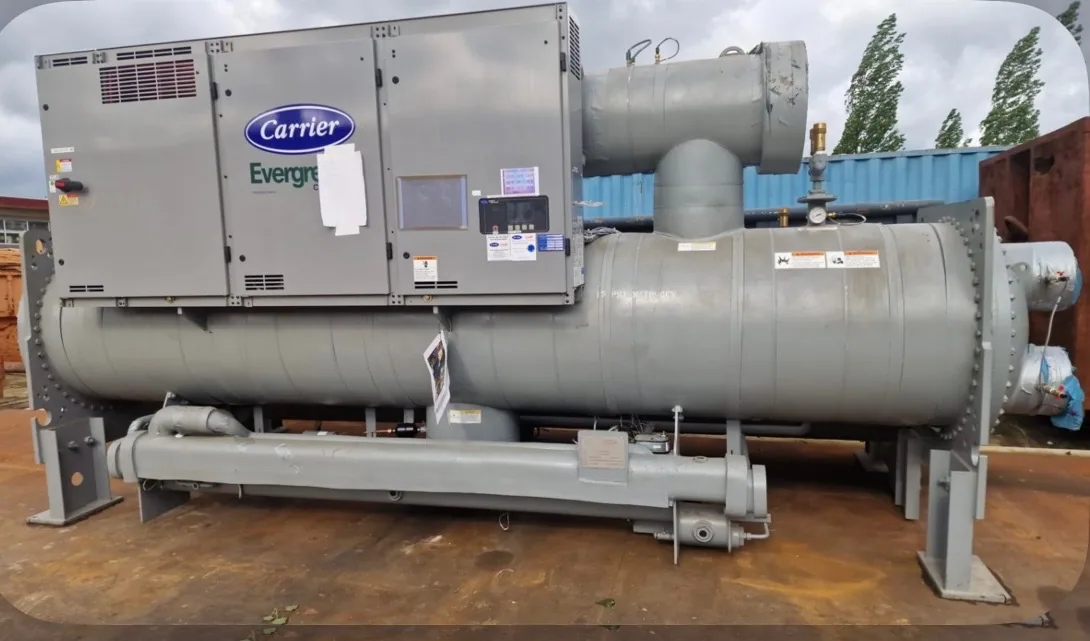
A chiller sale in Hampshire County, WV starts with a clear picture of the equipment. If you own a used chiller, tell us its location, rated capacity if known and present condition. We buy commercial and industrial air-cooled and water-cooled chillers from 20 tons to 2,000-plus tons. Cash offers and upfront payment are part of our process, and we do not require testing. The following details help the owner and site team prepare.
Separate the chiller from the rest of the plant
A cooling plant can contain chillers, pumps, controls and other equipment owned by different parties or serving different loads. Identify the exact chiller for sale and flag what needs to remain. A marked photograph and the unit's model plate can make that distinction clear. Describe any components that were removed before the sale discussion.
Our buying range covers air-cooled and water-cooled industrial chillers from 20 tons to 2,000-plus tons. A machine need not be running, and an operational test is not required. Existing records are useful when available, but current information about the actual equipment is equally important.
Consider the needs of a municipal building
For publicly owned or other institutionally controlled property, establish who is authorized to dispose of the chiller before arranging a sale. Existing approval or inventory procedures may affect the schedule. Identify the specific machine, its location and the contact who can explain access requirements. We can discuss equipment details while the owner handles its own internal authorization process.
Record the present condition
Describe the equipment as it sits today: connected or disconnected, complete or partly removed, running or shut down. Note visible damage or missing pieces and distinguish what you know from what is uncertain. Photos and an honest account are more useful than promising a performance level. We can review nonrunning equipment and do not require operational testing.
Overhead clearance and obstacles
For equipment near low ceilings, utility lines or overhead structures, mention the constraints you can see and share existing measurements if available. Avoid approaching an electrical hazard or climbing for a better angle. The crew can plan the actual rigging around the verified conditions. A description of obstacles is useful whether the machine is inside a plant room or outside in an equipment area.
Preparing without extra work
There is no need to clean, repair or restart a chiller just to begin a conversation. Gather existing pictures and the information you can safely read, then describe the location and condition. Tell us about known deadlines and the person responsible for access. We can review the machine without operational testing and coordinate the covered removal services as part of the transaction.
Know the difference between idle and disconnected
A chiller can be shut down while still connected to electrical power, piping or other building systems. Conversely, an equipment tag saying disconnected does not describe which components remain with the machine. Tell us what is known and share existing work records if available. Do not open a cabinet or disconnect anything to investigate; the removal coordinator can plan the work around the actual starting condition.
Coordinating a safe handoff
Share any known restrictions around active equipment and access to the chiller. We cover disconnects, refrigerant recovery, rigging, crane service when needed, loading and freight for the purchased equipment. The people coordinating the work can use the information you provide to plan the appropriate sequence. You do not need to open cabinets, break connections or attempt a lift for an initial review.
Sell the chiller as it sits
Whether the machine is operating, shut down or partially dismantled, explain its actual state and text photos to (614) 715-3047. We are buyers, not equipment resellers offering units to this site's visitors. Our process starts with a cash offer and provides upfront payment for a purchase; operational testing is not required. Identify missing components so the offer discussion reflects what is available.
Check authorization before handoff
If the chiller belongs to a company, public body or property owner, make sure the person accepting the offer has the necessary authority. The facility may also have its own inventory or disposal process. Identify who will coordinate access and confirm which components are included. These practical steps help the purchase proceed without assuming that the maintenance contact owns the equipment.