If you need to sell a used chiller in Greenbrier County, WV, start with the equipment you actually have, not an assumed market value or a test run. We buy commercial and industrial chillers from 20 tons to 2,000-plus tons, including air-cooled and water-cooled units. Our buying process includes cash offers and upfront payment, and a test is not required. The guidance below explains how to identify the machine and prepare for removal.
A practical way to sell a retired chiller
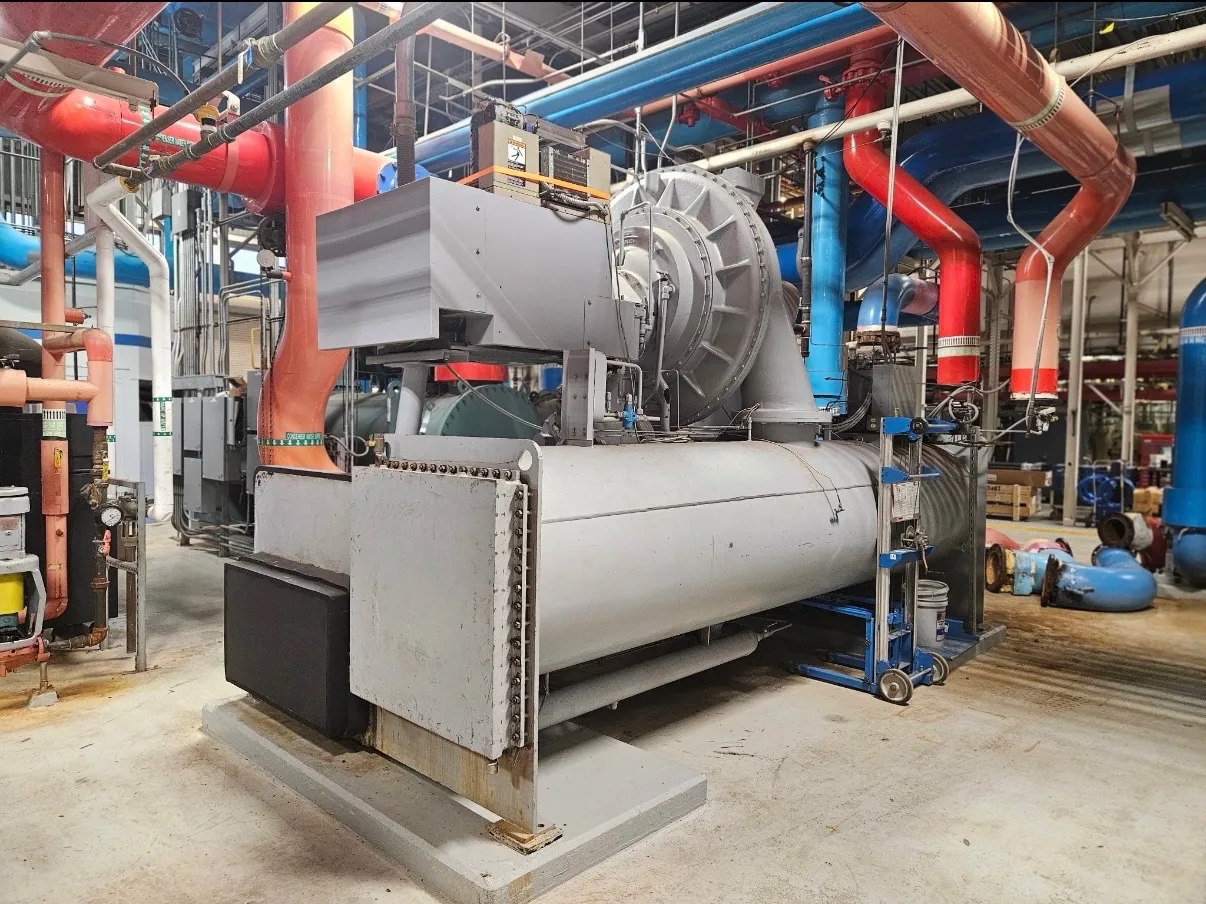
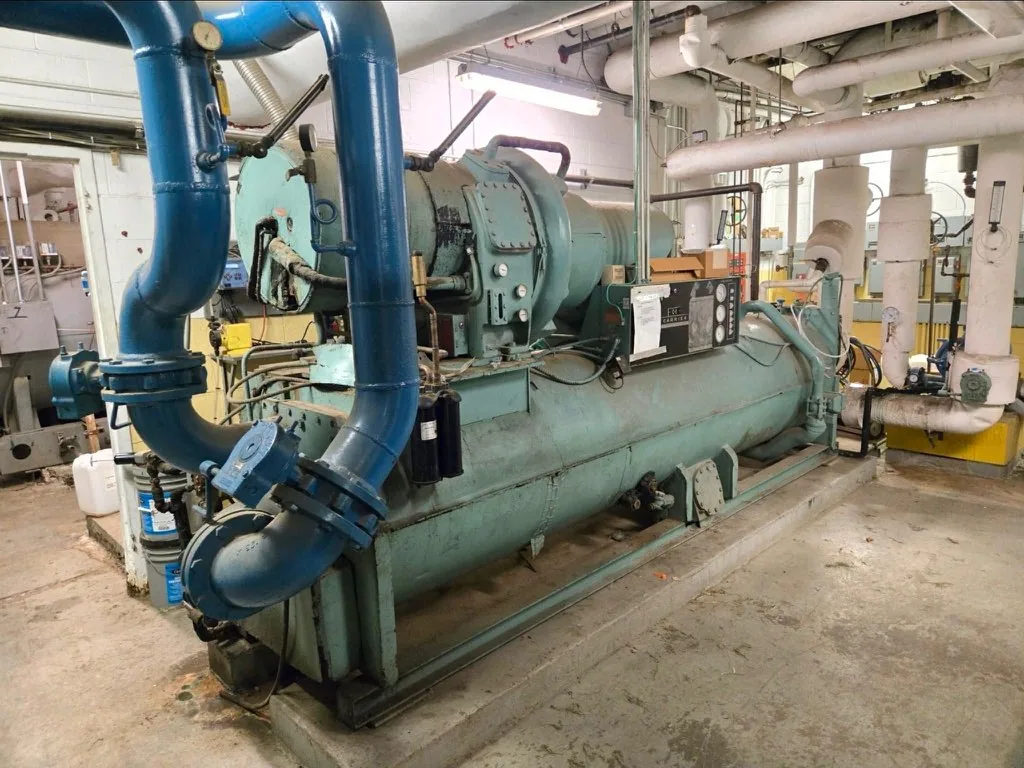
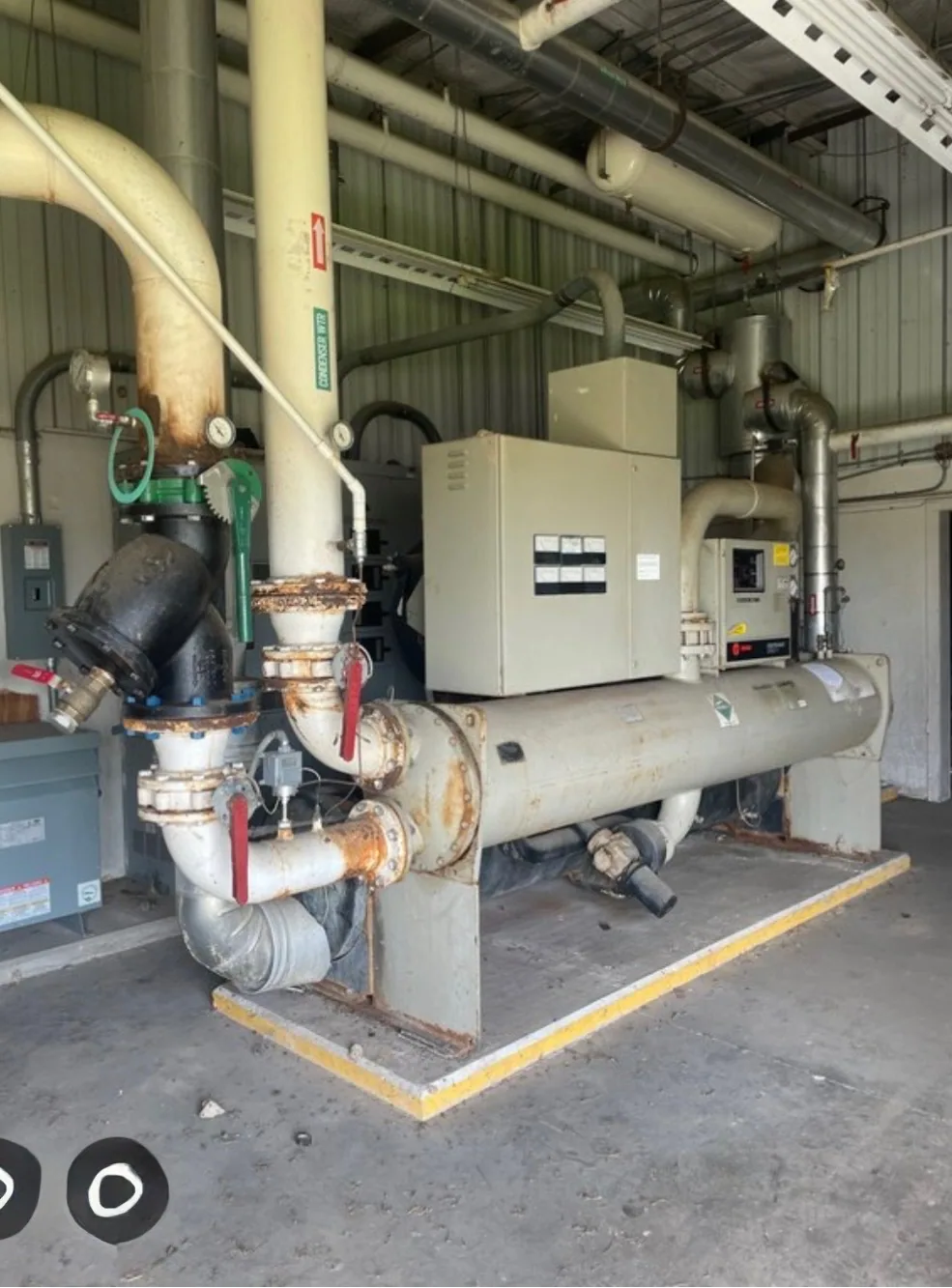
An industrial chiller can be available because a plant is being modernized, a property is changing hands or a machine has already been shut down. Whatever the reason, identify the actual unit rather than the entire cooling plant. Photograph the manufacturer plate, the machine and its surroundings. If several chillers are present, explain which one the owner intends to sell.
We buy air-cooled and water-cooled chillers from 20 tons to 2,000-plus tons. Running condition is not a prerequisite for asking about a sale, and no operational test is required. Describe the known condition, any missing pieces and the unit's location so the initial conversation can address the real equipment.
Consider the needs of a hospital
A healthcare facility may need to keep other building systems operating while one chiller is retired. Identify which machine is available and whether nearby equipment must remain accessible. If a facilities team has restrictions on noise, patient routes, work windows or contractor access, share those requirements early. The seller does not need to put the chiller back into service or run a test for us.
List separate components
Some chillers have a starter, controls or other components in a separate cabinet. Tell us what belongs to the machine and what is included in the proposed sale. Label loose items and note components already removed. A photograph showing the relationship between the main unit and separate cabinets can be especially helpful when the facility has more than one chiller.
When several units share a plant
If other chillers share the room, mark the one being sold in a wide photograph and show the access path without disturbing active equipment. Explain which surrounding machines, pipes or controls need to remain in place. The layout of the particular plant determines the work sequence. A simple marked-up photo can prevent misunderstandings about the boundaries of the removal.
Describing previous disconnection
If another contractor has already disconnected part of the chiller, explain exactly what has been done and what remains attached. Do not assume all connections were handled simply because a machine is shut down. Current photos and any available work records can help the removal team understand the starting point. We cover the required disconnects and coordinate the remaining removal work.
Decide which supporting equipment stays
A chiller may be near pumps, a cooling tower, piping or controls that support the rest of a facility. Their proximity does not automatically make them part of the sale. Mark the chiller and any separate items being offered, and tell the site coordinator what must remain. Existing drawings can help, but a current photo is important if the installation has changed since the drawings were produced.
Removal without arranging separate crews
Our purchase includes covered rigging, crane service when needed, disconnects, refrigerant recovery, loading and freight. A roof installation, a crowded mechanical room and a ground-level yard may each need a different sequence. Describe the actual setting and any known facility rules. The point is to coordinate the whole removal around the equipment rather than ask the seller to organize those services independently.
What to send for a cash offer
A nameplate photo, a view of the entire unit and a description of its present condition are a good start. Text them to (614) 715-3047 along with the city or county and a contact name. We buy chillers, provide upfront payment for a purchase and do not require operational testing. If you have more than one machine, label each photo set separately.
Keep photos tied to the unit
A photograph of a label is useful only if it can be matched to the machine for sale. Include the whole chiller in a separate view and number the images when several units are present. Note whether a separate starter or control cabinet belongs to that machine. A small amount of organization helps both the offer discussion and the later removal handoff.