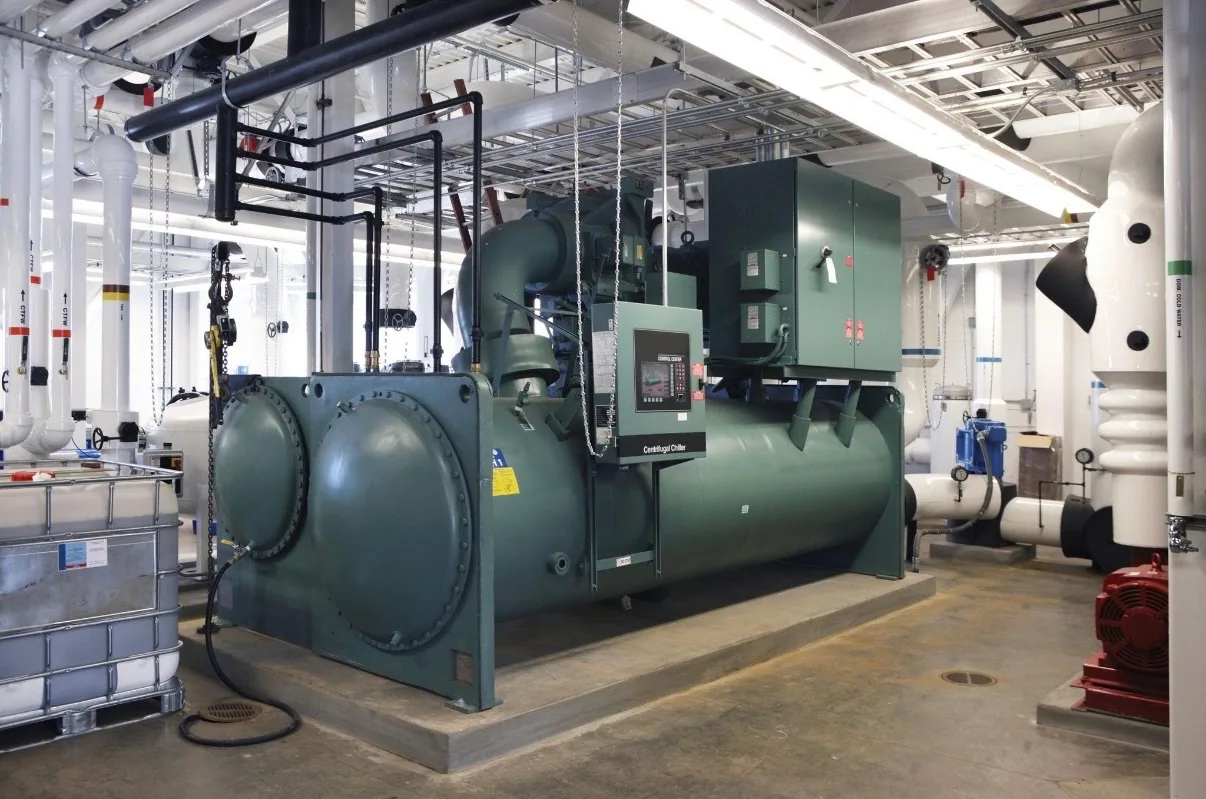
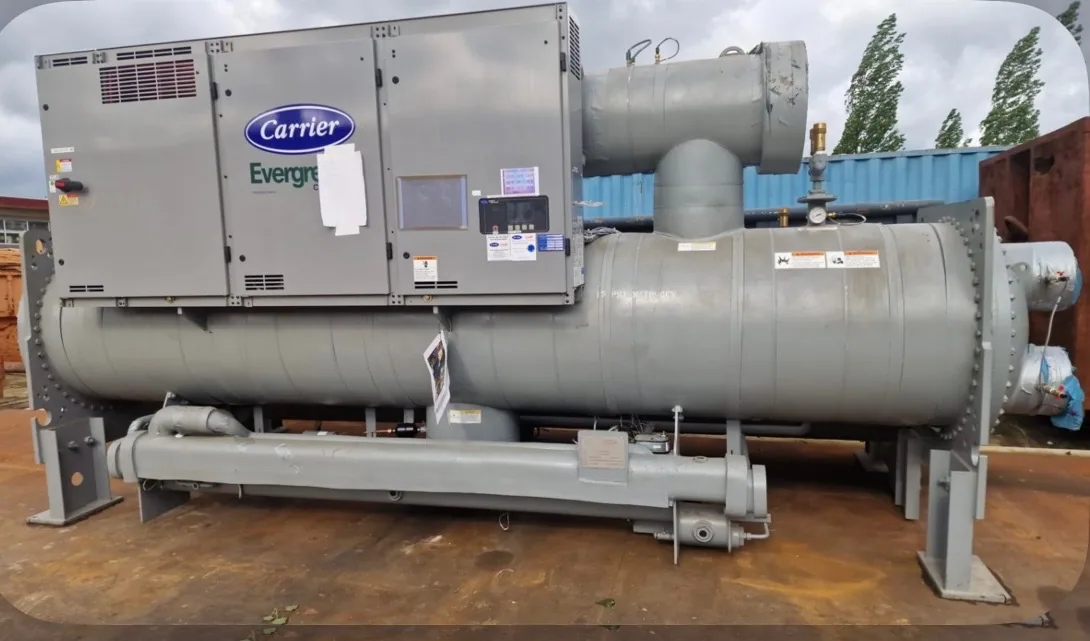
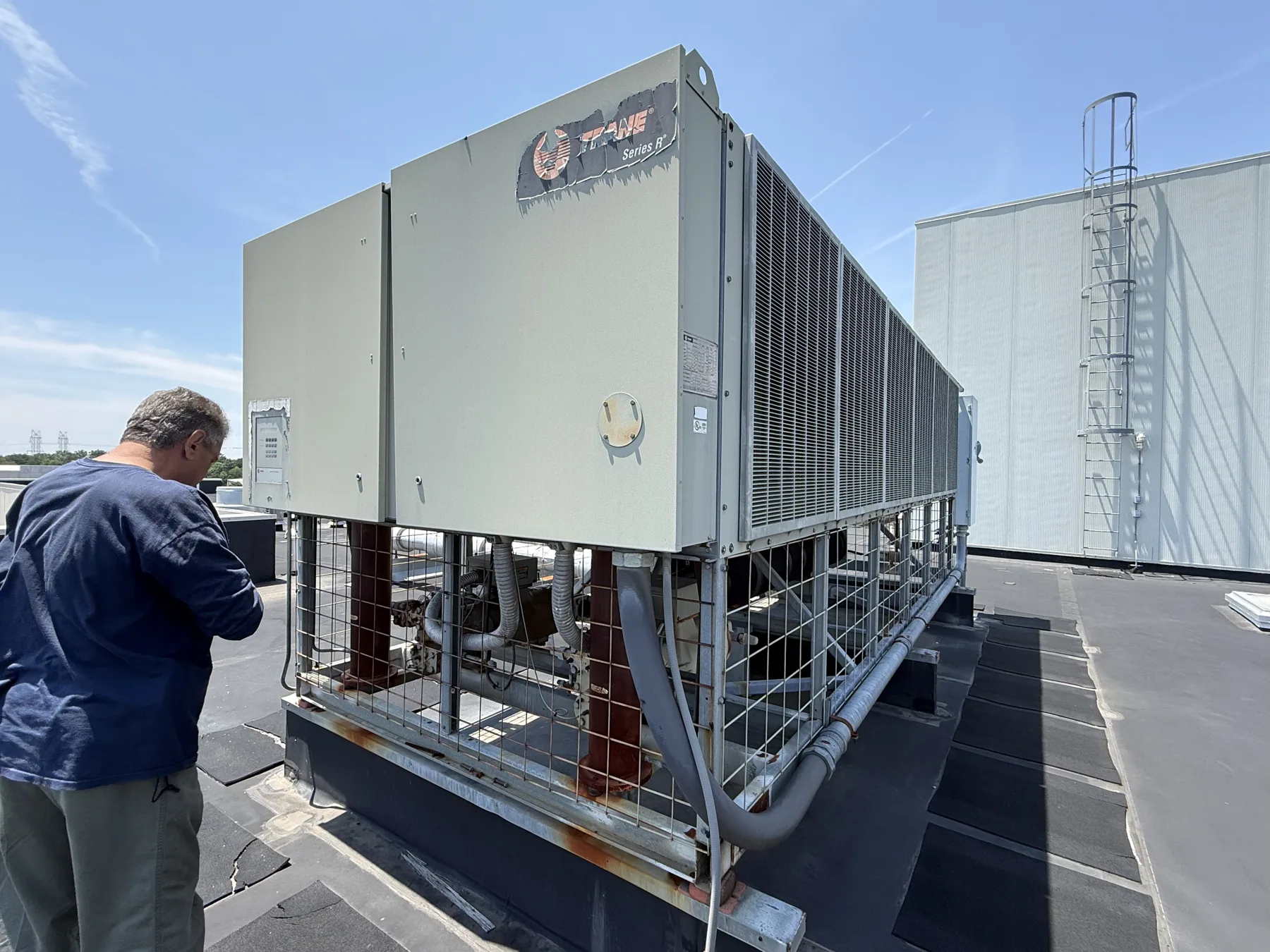
There is no need to restart a chiller to ask about selling a chiller identified with R-22 in West Virginia. We buy industrial and commercial chillers between 20 tons and 2,000-plus tons, including water-cooled and air-cooled equipment. We make cash offers and provide upfront payment, with no test required. Existing photos, identification and information about the site can help define the equipment and prepare for a practical removal discussion.
What to share about R-22
If a chiller's plate or service records identify R-22, photograph the identification and tell us what the records actually say. A refrigerant designation is one detail of the machine, not a substitute for the make, model, capacity or current condition. Do not assume a unit still contains its original refrigerant after years of service or modification.
Mention any known change, prior recovery or uncertainty, and identify who can answer site questions. Do not open a refrigerant circuit to investigate. We buy chillers without operational testing and cover refrigerant recovery as part of our removal scope; the actual equipment and its condition guide the work plan.
Consider the needs of a warehouse or distribution facility
At a warehouse or distribution facility, coordinate around loading traffic, delivery appointments and any temperature-sensitive spaces that remain in operation. Identify the chiller rather than assuming that every piece of refrigeration equipment is included. Photos should show the unit and a safe view of the surrounding route. Let the site contact explain any required separation from ongoing vehicle or pedestrian activity.
Identify each machine separately
For a multi-unit sale, give each chiller a simple number and use the same number on its plate, overall photo and condition notes. Tell us whether capacities are individual ratings or a combined figure. An existing inventory is helpful, but a short handwritten list can work too. Separate identification lets the discussion focus on the equipment actually being offered.
Planning from a closed facility
A closed or temporarily inaccessible facility can still be discussed using existing photographs and records. Tell us when someone with keys or authorization can provide access, and mention any known site restrictions. Do not enter an unsafe or secured area for a new picture. The removal schedule can be coordinated around actual access once the machine and sale authority are clear.
Working around an active plant
If the rest of the cooling plant must stay in service, identify the chiller to be removed and explain the boundaries around active equipment. The site team can flag operating constraints and preferred work windows. Do not disconnect shared piping or electrical equipment yourself to accelerate the sale. We cover disconnects and coordinate the removal scope for the unit being purchased.
Tell us how the cooling was used
A chiller might have served a building's comfort cooling, a manufacturing process or another load. That history can help explain the installation, but it does not prove the machine's present capacity or condition. Share what is known and identify any equipment that still serves an active load. If the previous use is uncertain, say so; the actual chiller plate and photographs remain useful starting points.
What our removal scope covers
We cover rigging, crane service when needed, disconnects, refrigerant recovery, loading and freight for the chiller we buy. That scope is intended to avoid leaving the seller to arrange the major steps separately. The method and sequence depend on the actual unit and site. Tell us about known access restrictions, nearby active equipment and any relevant facility requirements at the outset.
How the cash offer works
Text current photos and the machine's basic details to (614) 715-3047. We buy chillers; we do not sell replacement equipment. We review the information and can make a cash offer, with upfront payment for a purchase. No operational testing is required. If the model, capacity or condition is uncertain, tell us rather than delaying the conversation or guessing.
Use one inventory for multiple units
When selling several machines, keep an inventory with the same identifiers used in your photographs. Include each unit's location, model and capacity if known, plus the related loose parts. Mark units that are not for sale. This makes it easier to coordinate a staged pickup and avoids confusing a plant-wide capacity with the equipment included in one purchase.