If a commercial chiller is scheduled for replacement or already shut down in Summers County, WV, a sale can start with current photos and the information you have. We buy commercial and industrial air-cooled and water-cooled chillers from 20 tons to 2,000-plus tons. Our process offers upfront payment and a cash offer without requiring testing. This page covers equipment identification, facility access and the removal work we handle.
Identify the chiller at a manufacturing facility
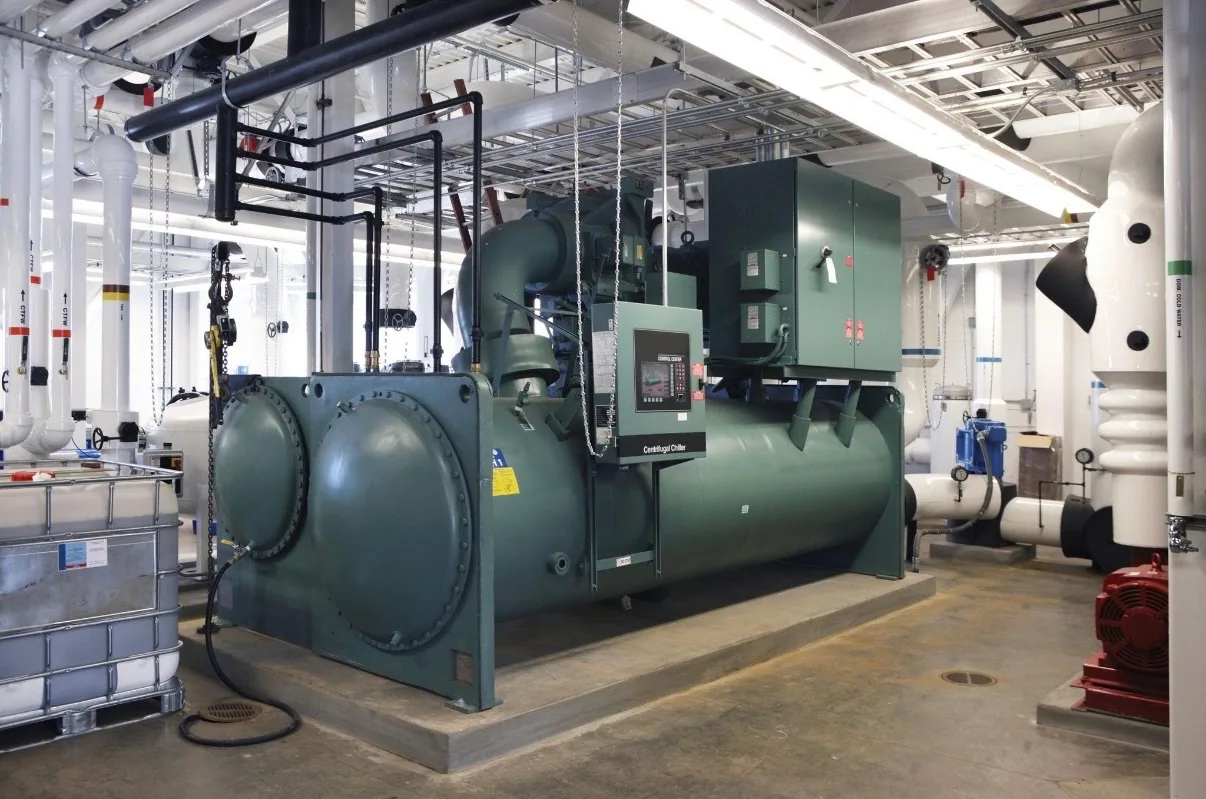
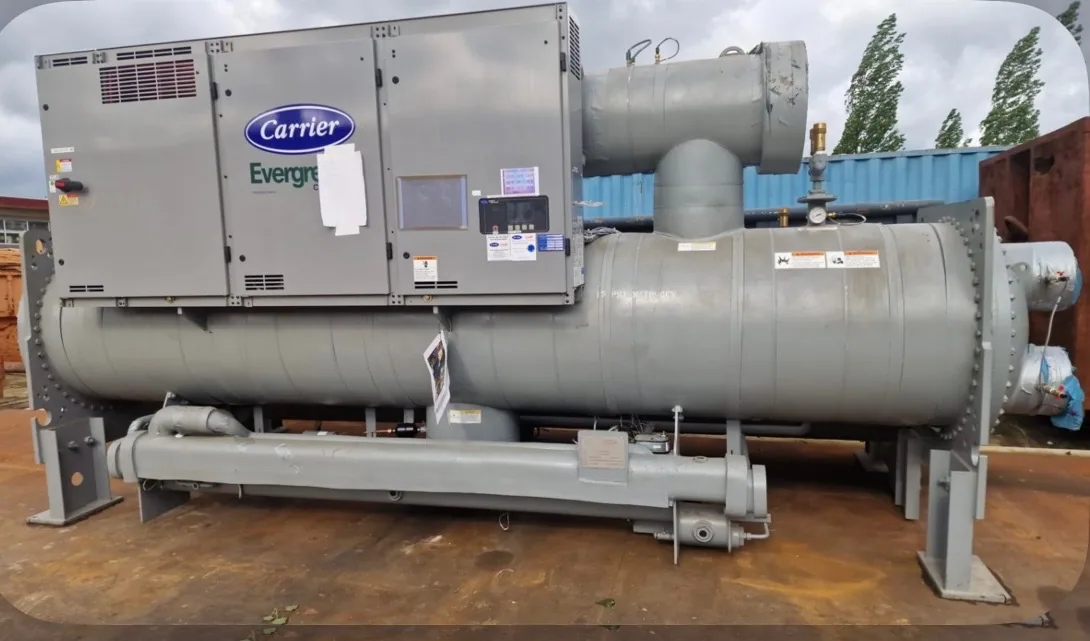
At a manufacturing facility, begin by identifying the specific chiller the owner wants to sell. A cooling plant may contain several machines along with pumps, controls and other equipment that are not part of the transaction. Photograph the unit, its model and serial plate, and any separate components included. Mark other systems that need to stay in place.
Share the chiller's rated capacity and whether it is air-cooled or water-cooled if known. We buy industrial and commercial chillers from 20 tons to 2,000-plus tons. An idle machine can be reviewed in its current condition; you do not need to run an operational test or produce a new performance report to start a sale conversation.
Consider the needs of a manufacturing facility
At a manufacturing site, a chiller may have served either the building or a production process. Tell us what it cooled if known, but do not assume that its prior duty establishes its current condition. A production calendar, restricted loading area or clearance around adjacent lines can shape the removal schedule. Mark any equipment that must stay in place and identify the person coordinating site access.
Clarify equipment ownership
Before a sale is finalized, confirm who owns the chiller and who is authorized to transfer it. The building owner, tenant, property manager and maintenance contractor may have different roles. If the equipment is part of a larger replacement project, specify what is included and who controls access. Clear ownership and a named site contact prevent delays without requiring the machine to be tested.
Planning a roof lift
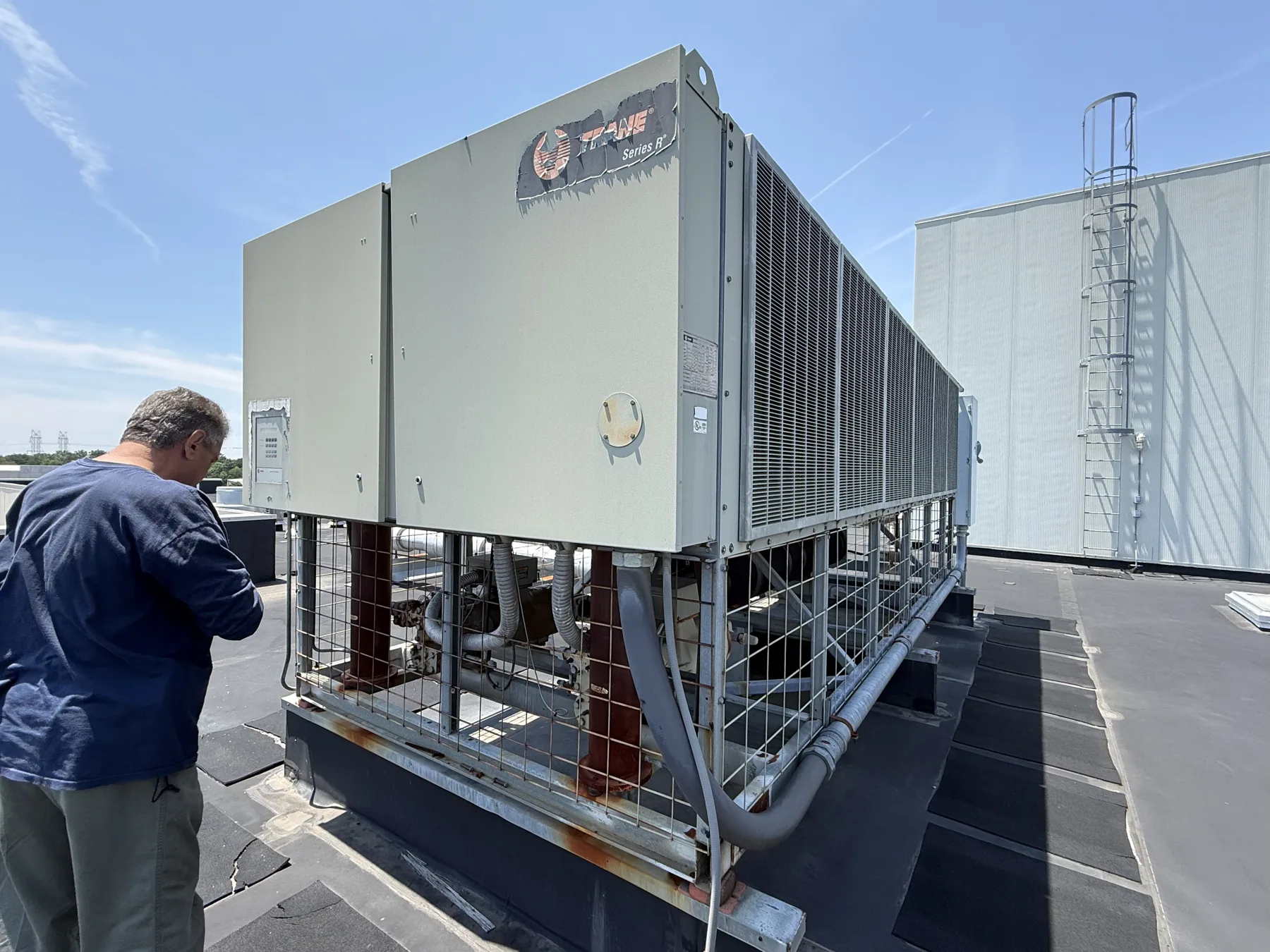
If the chiller is on a roof, provide its location on the building, a safe overall photo and any known route from the street or yard. Mention parapets, overhead obstructions and areas that must remain open. The actual lift method depends on the machine and site; do not try to move a unit yourself. We cover the crane when needed as part of the coordinated removal.
Selling from a property transition
During a building sale, lease change or closure, establish who owns the equipment and when access will be available. An inventory may identify the chiller, but current photographs show whether it still matches the paperwork. Let us know which contact can approve the transaction and which person can coordinate entry. A unit does not have to be running to be considered.
Decide which supporting equipment stays
A chiller may be near pumps, a cooling tower, piping or controls that support the rest of a facility. Their proximity does not automatically make them part of the sale. Mark the chiller and any separate items being offered, and tell the site coordinator what must remain. Existing drawings can help, but a current photo is important if the installation has changed since the drawings were produced.
Removal without arranging separate crews
Our purchase includes covered rigging, crane service when needed, disconnects, refrigerant recovery, loading and freight. A roof installation, a crowded mechanical room and a ground-level yard may each need a different sequence. Describe the actual setting and any known facility rules. The point is to coordinate the whole removal around the equipment rather than ask the seller to organize those services independently.
Request an offer from photos
Send the nameplate, a whole-unit photo and a short description to (614) 715-3047. Include the West Virginia location, condition and the best contact for access. We buy rather than sell chillers and can make a cash offer with upfront payment. You do not need to run a test, repair the chiller or obtain a new performance report before reaching out.
Protect the active operation
If other equipment must remain in service, show which chiller is being sold and tell the site coordinator what cannot be interrupted. Do not make assumptions about shared connections from appearance alone. Facility staff can provide existing drawings and explain operational boundaries. The removal plan should address the actual installation rather than treating every machine in a plant as independent.