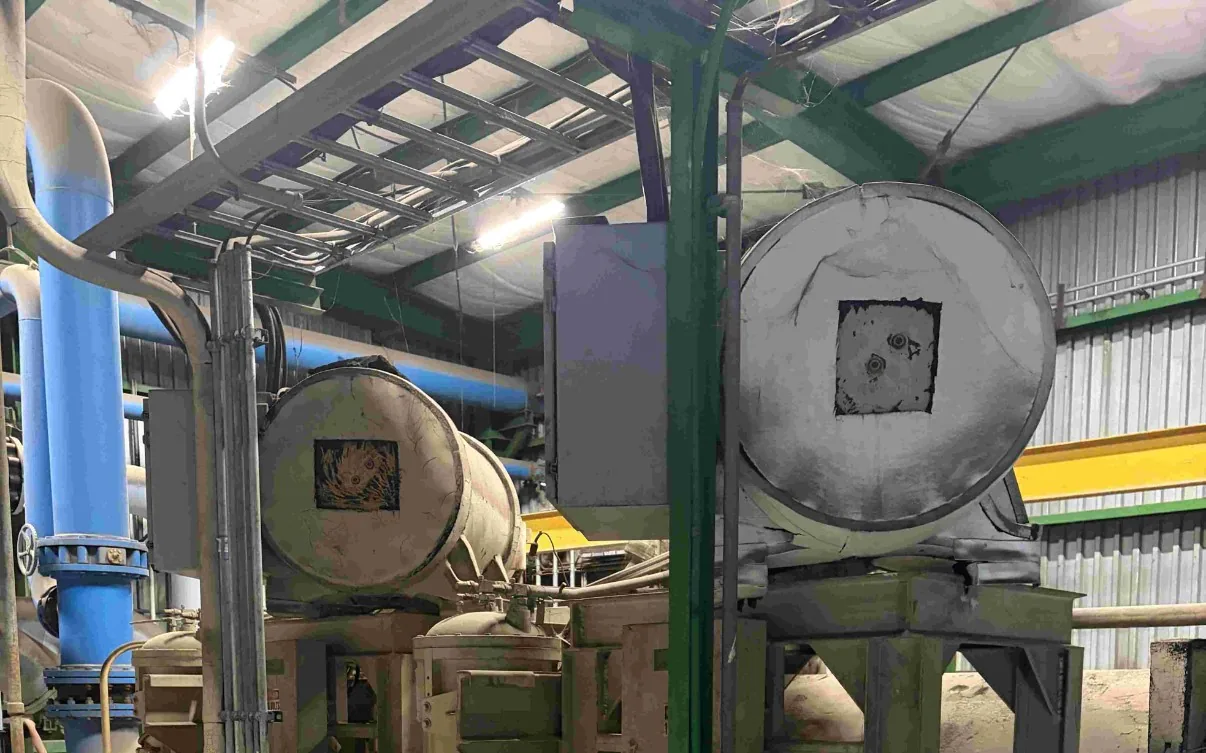
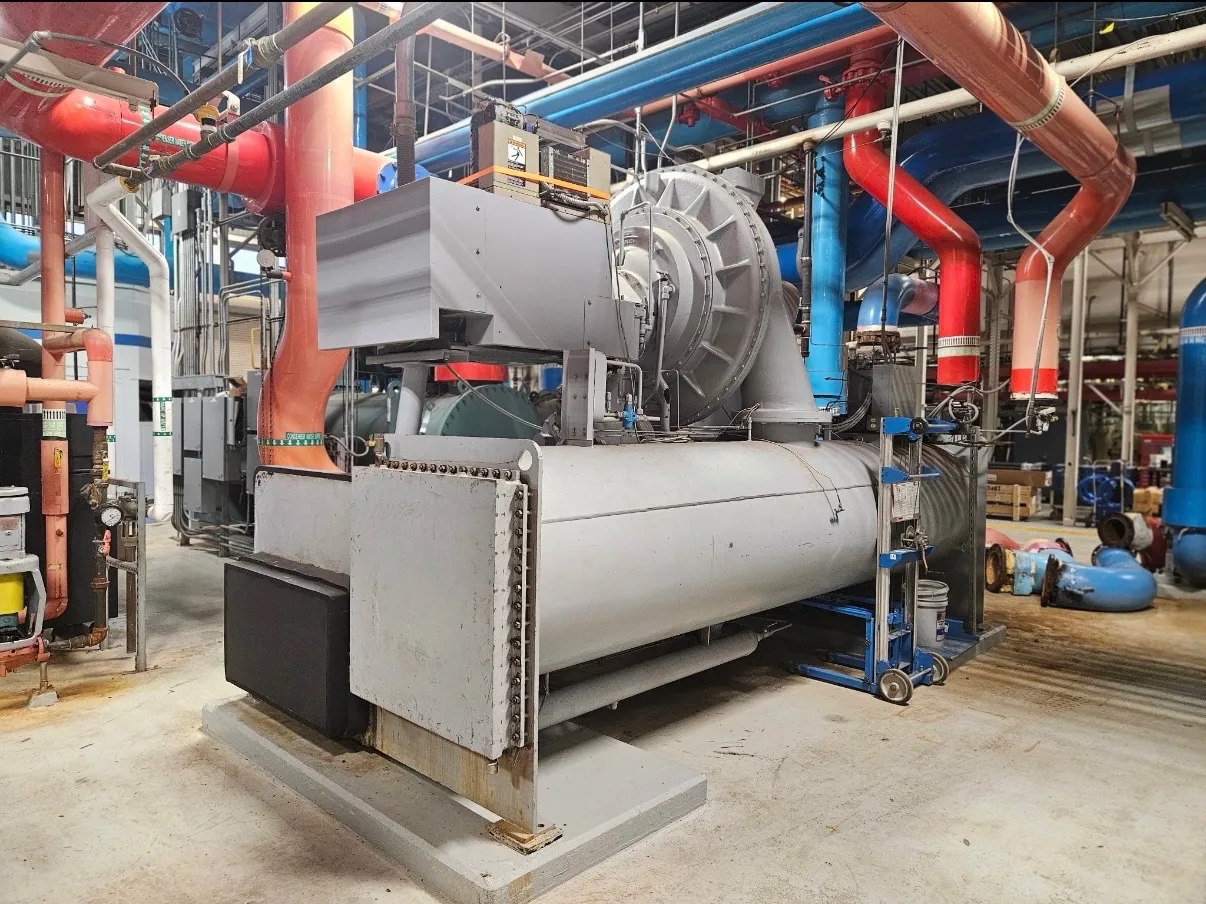
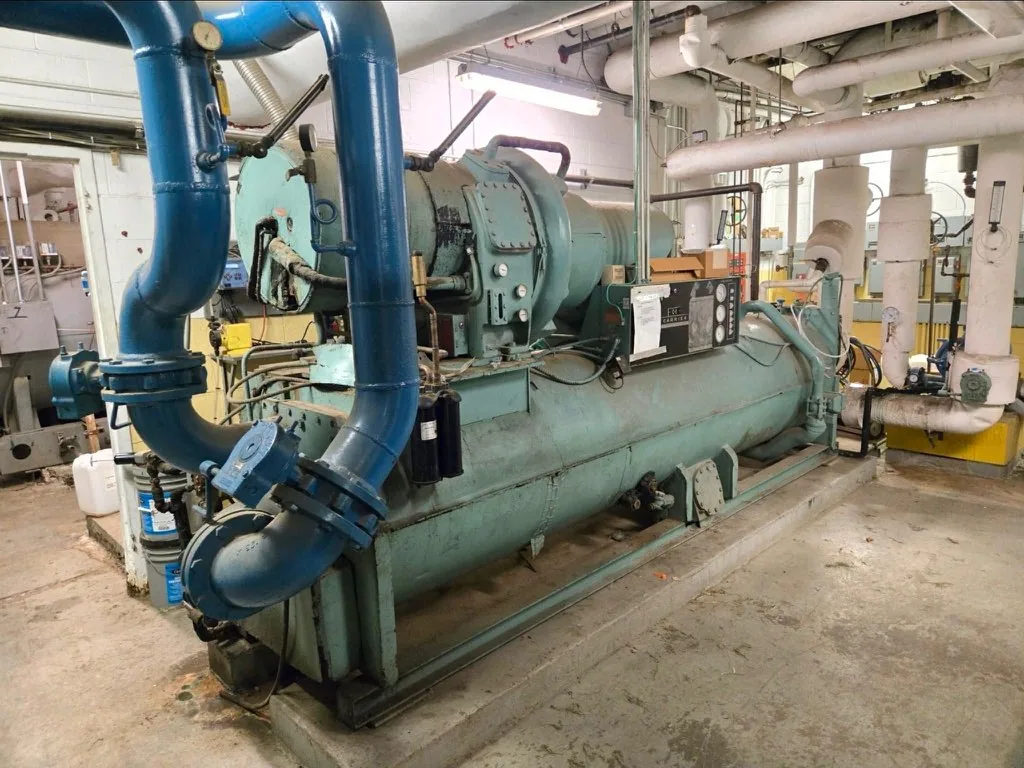
Selling a commercial chiller in Morgan County, West Virginia, starts with identifying exactly which machine is available and describing what is known about it. A campus plant, commercial building, or industrial site may have several chillers and shared pumps, controls, piping, or electrical connections, so a clear equipment description helps separate the unit for sale from systems that must remain. We buy commercial and industrial air-cooled and water-cooled centrifugal, screw, and scroll chillers from 20 tons to 2,000-plus tons, across refrigerant types and conditions. We make cash offers, pay upfront, and do not require the chiller to pass an operating test. You can begin with the details you have; if capacity or equipment history is uncertain, say so rather than guessing. Photos can help clarify the unit and its surroundings.
Identify the machine and what is included
Start with the manufacturer, model, serial number, rated capacity if available, and whether the chiller is air-cooled or water-cooled. A photograph of the identification plate is useful, along with a wider image showing the complete unit. If several chillers are present, label each one consistently in your notes and photos so there is no confusion about which equipment you intend to sell.
List any separate components that are part of the proposed sale, and identify nearby pumps, controls, piping, or other equipment that must stay. Do not assume that everything in a mechanical room or equipment yard is included. A simple description of the boundaries is more useful than a broad plant inventory that does not distinguish the chiller from connected systems.
Describe condition without arranging a test
Explain how the machine sits today: operating, shut down, disconnected, partly dismantled, or of unknown status. Mention visible damage, missing panels or components, and known modifications. If you have service records or know why it was taken out of service, share that information; if the history is incomplete, make that clear. A new performance report is not needed to begin a conversation.
We consider nonrunning equipment and do not require an operational test. Do not restart an idle chiller simply to gather information, and do not make claims about performance that have not been verified. A few clear images of the unit, nameplate, visible concerns, and safe surrounding area can help us understand what is being offered. Avoid climbing or entering hazardous areas to take photographs.
Coordinate ownership, access, and timing
For a school or education facility, identify the equipment owner and the person authorized to arrange a sale. Note any practical access limits, such as work that needs to avoid classes, events, or a planned period of building use. If another chiller must remain available during removal, explain that operating constraint at the outset. These details help with planning without assuming every facility has the same schedule or plant arrangement.
If the property is changing hands, being leased, or closing, confirm who can approve the transaction and who can arrange site entry. An equipment list may help locate the chiller, while current photographs can show whether the machine still matches that record. Share the access contact and any known restrictions, but do not send security credentials, private employee information, or unrelated building documents.
Point out obstacles and connection limits
Mention visible conditions that could affect access or removal, including low ceilings, overhead utilities, tight passages, or nearby structures. Existing measurements are useful if they are already available, but there is no need to approach electrical hazards or climb for a better view. A safe description and photographs from accessible areas give the crew a starting point for considering the installation.
Tell us if the chiller is tied into a shared system and which connected equipment must remain. You do not need to disconnect electrical service, remove piping, recover refrigerant, or dismantle the chiller to request an offer. We handle required disconnects, refrigerant recovery, rigging, crane work when needed, loading, and hauling. The seller is not expected to perform those tasks.
Prepare a useful photo set
A small, organized set of images is usually more helpful than a large group without labels. Include one view of the whole chiller, a readable model and serial plate if safely accessible, and images of any obvious damage or missing parts. Add a safe view of the access route or surrounding area when it helps explain clearance or obstacles.
When multiple units are involved, use the same identifier in each unit’s photos and notes. Pair images with the known capacity, equipment type, location within the property, and present condition. If a detail cannot be confirmed, mark it as unknown. This keeps the initial review focused on the equipment rather than inviting unnecessary site documents or unsupported assumptions.
Request an offer and plan removal
To start, call or text (614) 715-3047, or email saleselectricalbuyers@gmail.com. Share the manufacturer, model, capacity if known, general location, condition, and a few photos if available. We buy chillers across tonnages, including 20 to 2,000-plus tons, and across refrigerant types. There is no need to wait for a machine to run or arrange testing before making contact.
Our process includes a cash offer and upfront payment, with freight covered for the purchased chiller. Removal planning can account for the actual site conditions and the work required, including crane and rigging needs. Make clear which equipment is included and what must remain, and provide known access or scheduling constraints. Honest, specific information—even when some details are unknown—helps establish a practical next step.