

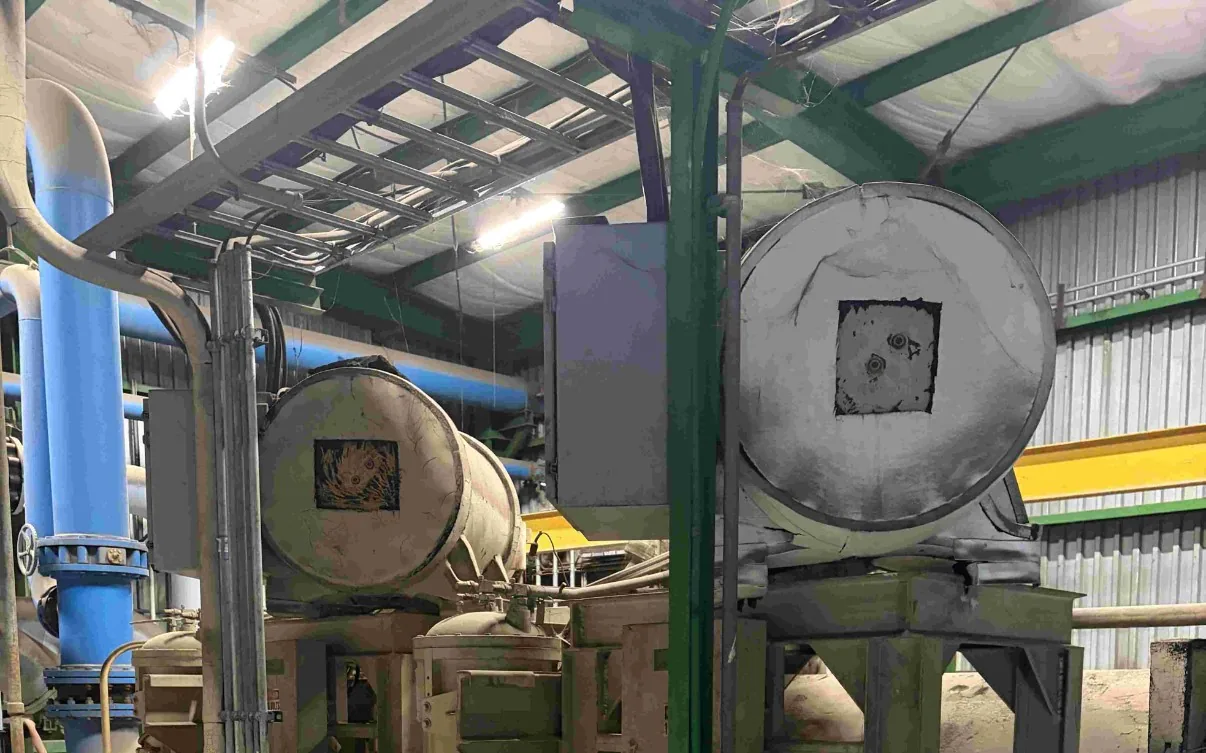
Selling a 250–499-ton chiller in Clarksburg, WV begins with a clear description of the unit and the place where it sits. We purchase industrial and commercial chillers from 20 tons to 2,000-plus tons, both air-cooled and water-cooled. You can request a cash offer without testing, and purchases include upfront payment. Use the guidance below to gather existing details and think through the site requirements before the equipment leaves.
Identify your 250–499-ton chiller
A 250–499 ton chiller may be one element in a larger cooling plant. Identify the specific machine offered, the rated tons on its plate and the equipment that will remain in service. If controls, a starter or other components are separate, identify them in the photographs and tell us whether they belong to this sale.
The removal plan depends on the unit's actual dimensions and setting, not on tonnage alone. Share existing drawings, known lifting restrictions and any information about the path out of the building. Do not dismantle an installation just to obtain an offer; no operational testing is required.
Consider the needs of a manufacturing facility
At a manufacturing site, a chiller may have served either the building or a production process. Tell us what it cooled if known, but do not assume that its prior duty establishes its current condition. A production calendar, restricted loading area or clearance around adjacent lines can shape the removal schedule. Mark any equipment that must stay in place and identify the person coordinating site access.
List separate components
Some chillers have a starter, controls or other components in a separate cabinet. Tell us what belongs to the machine and what is included in the proposed sale. Label loose items and note components already removed. A photograph showing the relationship between the main unit and separate cabinets can be especially helpful when the facility has more than one chiller.
Overhead clearance and obstacles
For equipment near low ceilings, utility lines or overhead structures, mention the constraints you can see and share existing measurements if available. Avoid approaching an electrical hazard or climbing for a better angle. The crew can plan the actual rigging around the verified conditions. A description of obstacles is useful whether the machine is inside a plant room or outside in an equipment area.
Describing previous disconnection
If another contractor has already disconnected part of the chiller, explain exactly what has been done and what remains attached. Do not assume all connections were handled simply because a machine is shut down. Current photos and any available work records can help the removal team understand the starting point. We cover the required disconnects and coordinate the remaining removal work.
Coordinate ownership and access separately
Ownership and physical access may be controlled by different people. A landlord, tenant, contractor or project manager may know the equipment without being authorized to sell it. Confirm the owner and the person who can approve a transfer; also identify whoever can provide safe access to the unit. If an internal approval is pending, mention the expected process rather than treating a tentative decision as final.
A practical removal discussion
An offer discussion can include the equipment's current location and how a crew could reach it. We cover rigging, crane service when needed, disconnects, refrigerant recovery, loading and freight. Let us know about occupied spaces, gates, plant-room doors or roof access, as applicable. The actual plan will depend on the unit and site, not an assumed standard procedure.
Request an offer from photos
Send the nameplate, a whole-unit photo and a short description to (614) 715-3047. Include the West Virginia location, condition and the best contact for access. We buy rather than sell chillers and can make a cash offer with upfront payment. You do not need to run a test, repair the chiller or obtain a new performance report before reaching out.
Keep the right contacts together
The person who can authorize a sale is not always the person who can open the equipment room. Provide a contact for ownership decisions and, if different, a site contact for entry and work coordination. Note any requirements for notifying building occupants. That simple handoff is especially useful when a chiller is being removed from a property that continues to operate.